

Hematology & Medical Oncology Fellowship

About
The University of Hawai’i Hematology and Medical Oncology Fellowship Program is an ACGME-accredited, 3-year training program sponsored by the John. A Burns School of Medicine (JABSOM). The program recruits 2 fellows per year, for a total complement of 6 fellows, and is designed to provide comprehensive, academically rigorous training in the full spectrum of hematology and medical oncology.
The fellowship integrates contemporary strategies for the prevention, diagnosis, and treatment of cancer within a culturally responsive and patient-centered learning environment led by a diverse and experienced faculty. Fellows received structured exposure to both inpatient and outpatient care settings, gain broad clinical experience while working closely with multidisciplinary teams.
The curriculum emphasizes disease pathogenesis, evidence-based clinical management, scholarly inquiry, and interprofessional collaboration. Through progressive responsibility and individualized learning opportunities, fellows develop the knowledge, clinical judgment, and professional skills necessary to practice independently and to contribute meaningfully to the advancement of cancer care for the people of Hawaiʻi, the Pacific region, and beyond.
The University of Hawaiʻi Hematology and Medical Oncology Fellowship is the only fellowship program of its kind in the State of Hawaiʻi. The program was established and received ACGME accreditation in 2026.
Primary training sites include The Queen’s Medical Center and Straub Benioff Medical Center. The Queen’s Medical Center is the state’s largest teaching hospital and tertiary referral center and houses the largest medical oncology practice in Hawaiʻi. Straub Benioff Medical Center provides the state’s only dedicated hematology service and is the sole facility offering CAR T-cell therapies.
In addition to these core sites, fellows have opportunities to participate in elective rotations at additional clinical locations, including hospitals on neighboring islands, allowing for broader clinical exposure and a deeper understanding of cancer care delivery across Hawaiʻi’s diverse healthcare settings.
We prepare fellows with the clinical expertise, research acumen, and compassionate, patient-centered approach necessary to deliver high-quality, evidence-based cancer care. Our mission is to develop physician leaders who expand access to oncology services and improve outcomes for the diverse and geographically dispersed communities of Hawaiʻi, the Pacific, and beyond.
The University of Hawaiʻi Hematology and Medical Oncology Fellowship Program strives to be a leader in training compassionate, highly skilled hematologist-oncologists equipped to care for patients with both common and complex hematologic and oncologic conditions. Our vision is that, upon graduation, fellows will possess the knowledge, clinical expertise, and professional integrity required to practice independently in hematology and medical oncology, while advancing the quality, equity, and accessibility of cancer care across Hawaiʻi and the Pacific region.
The University of Hawaiʻi Hematology and Medical Oncology Fellowship Program is grounded in the belief that excellence in cancer care requires rigorous clinical training, compassionate and culturally responsive practice, and strong collaboration across disciplines. We are committed to preparing fellows to care for patients with both common and complex hematologic and oncologic conditions while understanding the unique needs of Hawaiʻi and the Pacific region. Through multidisciplinary training, scholarly inquiry, and service to diverse and geographically dispersed communities, we strive to develop physician leaders who advance equitable, high-quality cancer care.
Core Faculty & Staff
The University of Hawai‘i Hematology and Medical Oncology Fellowship is led by a team of distinguished physicians dedicated to excellence in patient care, education, and research. Our faculty represent a broad spectrum of subspecialties—including benign hematology, solid tumor oncology, and hematologic malignancies—and are deeply committed to mentoring the next generation of oncologists. Through collaborative training across Hawai‘i’s leading hospitals and cancer centers, fellows gain comprehensive experience in both academic and community-based oncology, grounded in the compassionate, culturally responsive care of Hawai‘i’s diverse population.

Jared D. Acoba, MD
Program Director
Associate Professor, Department of Medicine
University of Hawai‘i, John A. Burns School of Medicine
Associate Researcher, University of Hawai‘i Cancer Center
Director, Gastrointestinal Cancer Education
Clinical Site: The Queen’s Medical Center
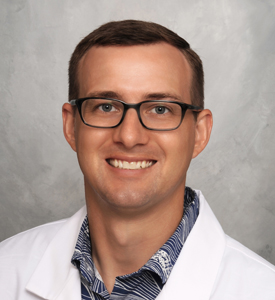
Craig Boddy, MD
Core Faculty
Assistant Professor, Department of Medicine
University of Hawai‘i, John A. Burns School of Medicine
Director, Classical and Malignant Hematology Education
Clinical Site: Straub Benioff Medical Center
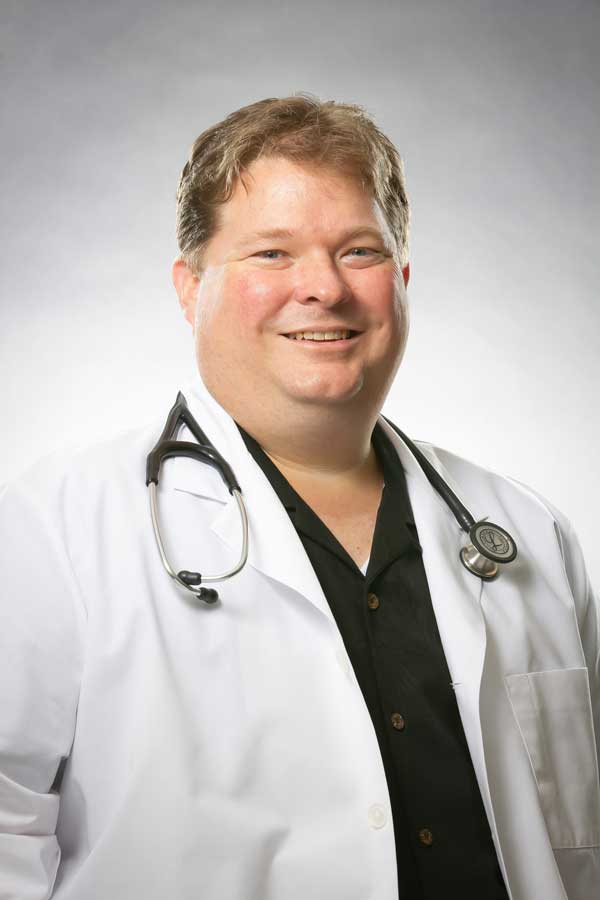
Ryon Nakasone, MD
Core Faculty
Assistant Professor, Department of Medicine
University of Hawai‘i, John A. Burns School of Medicine
Director, Medical Oncology Education
Clinical Site: The Queen’s Medical Center
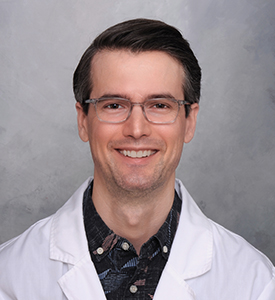
Thomas “TJ” Rodgers, MD
Core Faculty
Assistant Clinical Professor,
University of Hawai‘i, John A. Burns School of Medicine
Clinical Site: Straub Benioff Medical Center
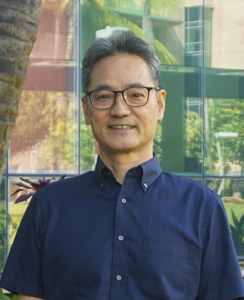
Teruo Yamauchi, MD, MSMS
Faculty Lead of Clinical Education
Professor, University of Hawai’i Cancer Center, University of Hawai’i at Mānoa
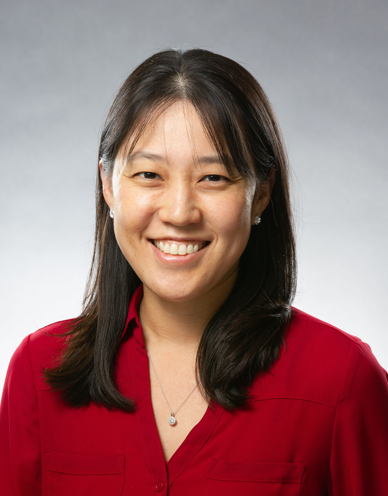
Jody Kagihara, MD
Faculty
Assistant Professor, Department of Medicine
University of Hawai‘i, John A. Burns School of Medicine
Director, Breast Education
Director of Medical Education, Kuakini Medical Center
Clinical Site: The Queen’s Medical Center
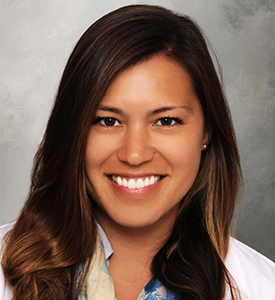
Jami Fukui, MD
Faculty, Site Director
Assistant Clinical Professor, Department of Medicine
University of Hawai‘i, John A. Burns School of Medicine
Associate Researcher, University of Hawai‘i Cancer Center
Clinical Site: Artesian Women’s Clinic
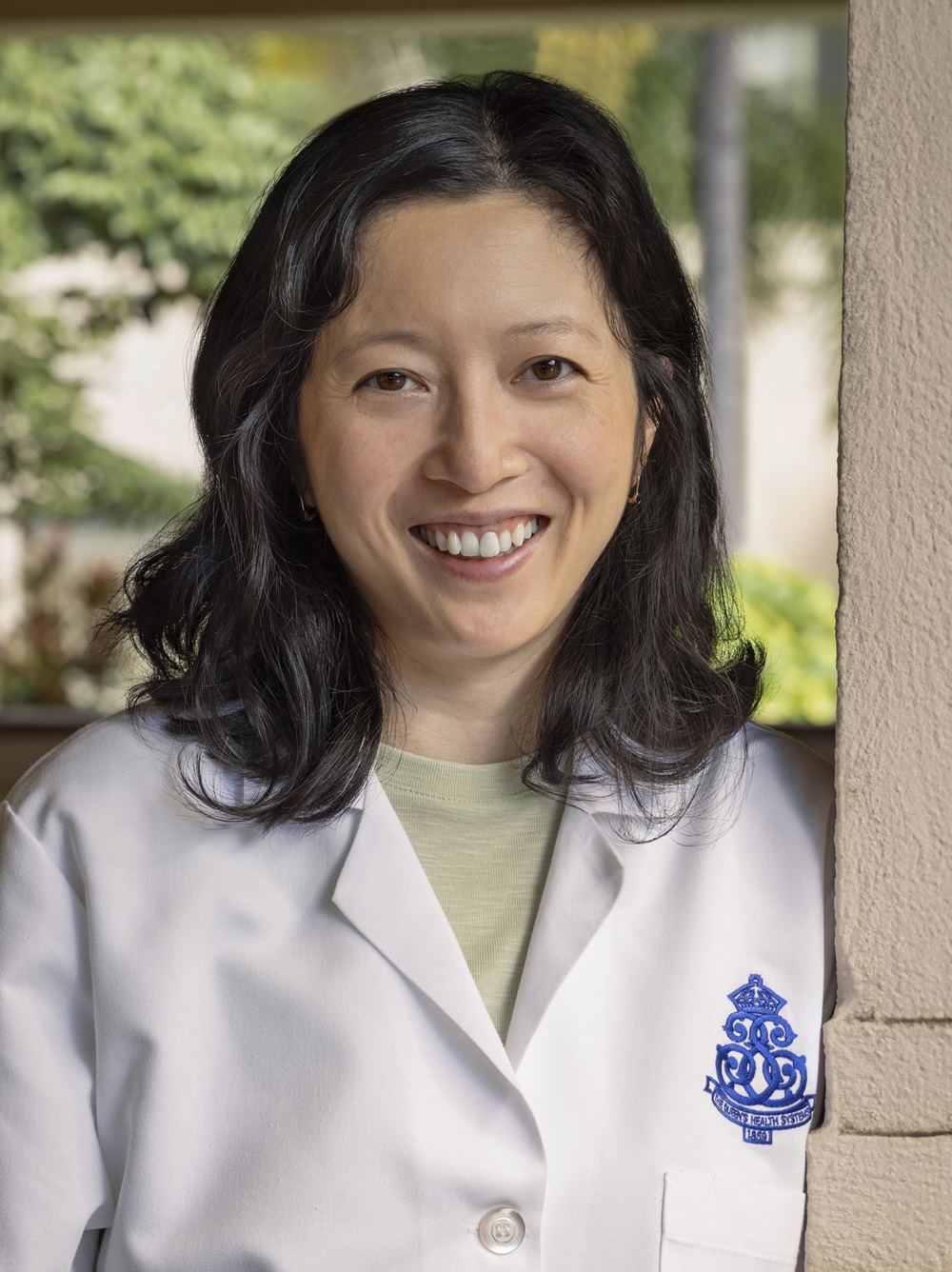
Tiffany S.T. Lai, MD
Faculty
Assistant Clinical Professor, Department of Obstetrics and Gynecology
University of Hawai‘i, John A. Burns School of Medicine
Director, Gynecologic Oncology Education
Clinical Site: The Queen’s Medical Center
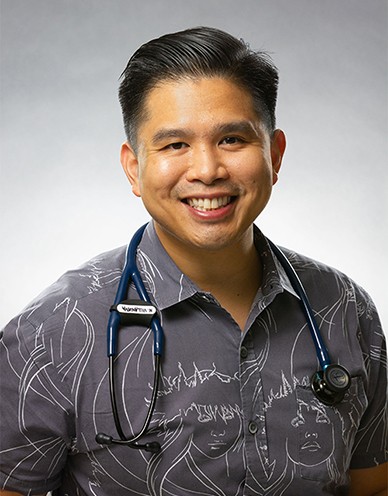
Nicolas Villanueva, MD
Faculty
Assistant Clinical Professor, Department of Medicine
University of Hawai‘i, John A. Burns School of Medicine
Director, Lung Cancer Education
Clinical Site: The Queen’s Medical Center
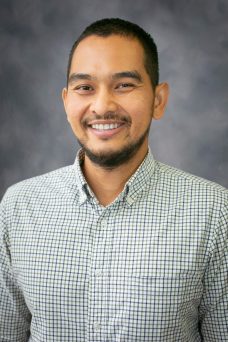
Wichit Sae-Ow, MD
Faculty
Assistant Clinical Professor, Department of Pathology
University of Hawai‘i, John A. Burns School of Medicine
Co-Director, Hematologic Pathology Education
Clinical Site: The Queen’s Medical Center
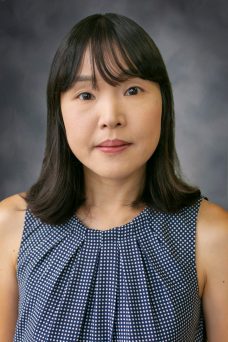
Hiroko Shinoda, MD
Faculty
Assistant Clinical Professor, Department of Pathology
University of Hawai‘i, John A. Burns School of Medicine
Co-Director, Hematologic Pathology Education
Clinical Site: The Queen’s Medical Center
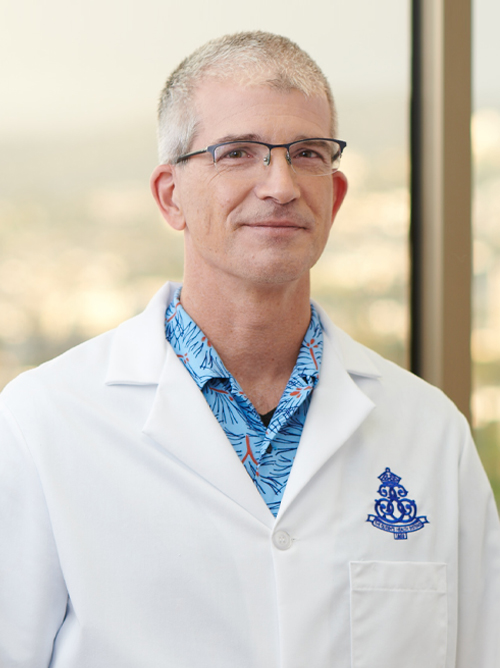
Anthony Michaud, MD
Faculty
Assistant Clinical Professor, Department of Surgery
University of Hawai‘i, John A. Burns School of Medicine
Assistant Medical Director, Radiation Oncology Department
Director, Radiation Oncology Education
Clinical Site: The Queen’s Medical Center
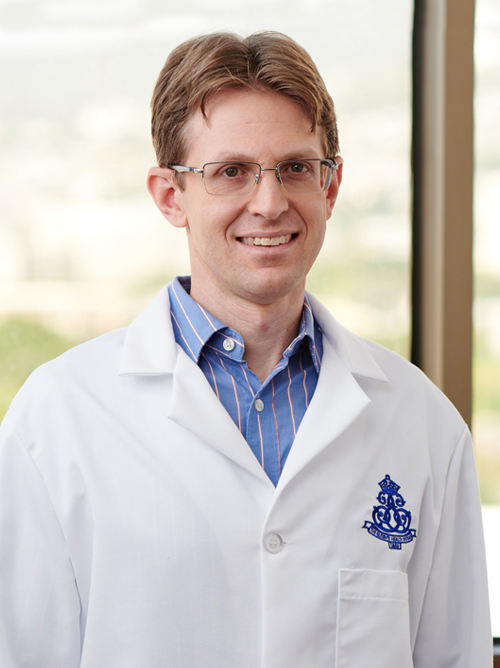
Ilan Bernstein, MD
Faculty
Associate Clinical Professor, Department of Medicine
University of Hawai‘i, John A. Burns School of Medicine
Associate Clinical Professor, Department of Geriatrics
University of Hawai‘i, John A. Burns School of Medicine
Director, Palliative Care Education
Clinical Site: The Queen’s Medical Center
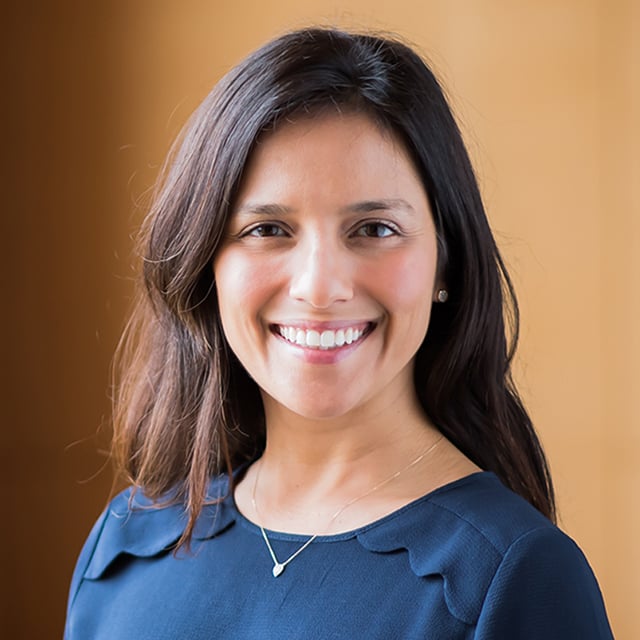
Shagun Arora, MD
Site Director
Associate Clinical Professor
University of California San Francisco
Clinical Site: UCSF Bone Marrow Transplant
Program Details
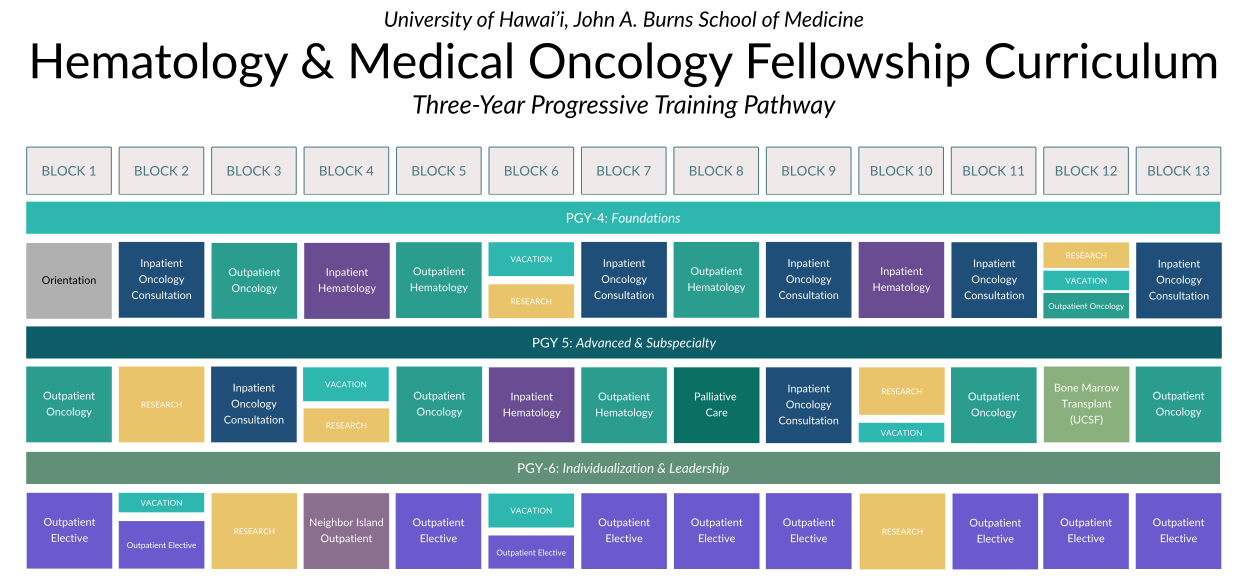
Training Pathway Overview: Our three-year curriculum is designed to provide progressive clinical responsibility, protected research time, and opportunities for individualized career development. Specific rotation order may vary to align with fellow goals and clinical availability.
Rotation Sites
The Queen’s Medical Center (QMC) – Manamana
Founded in 1859 by Queen Emma and King Kamehameha IV to address critical health care needs during epidemic outbreaks, The Queen’s Hospital has grown into a leading provider of whole-person care for Hawai‘i and the Pacific Basin. Today, The Queen’s Medical Center (QMC) is a 674-bed tertiary care facility and serves as the state’s major referral center for cancer, cardiovascular disease, neurosciences, orthopedics, surgery, emergency medicine, and behavioral health. QMC is home to Hawai‘i’s only organ transplant program and is the state’s first and only Level I Trauma Center.
The Queen’s Medical Center maintains the largest inpatient cancer volume in Hawai‘i and is supported by an extensive, multidisciplinary medical staff. The oncology team includes 17 hematologists/medical oncologists, eight radiation oncologists, as well as dedicated surgical, gynecologic, orthopedic, and ENT surgical oncologists—the only ENT surgical oncology specialists in the state. Formal internal medicine oncology training primarily occurs at QMC, providing learners with robust exposure to complex inpatient and consultative oncology care. The medical center also houses an active research department and is the highest-accruing site for cancer clinical trials in Hawai‘i.
QMC serves as a cornerstone of service-based medical education and is the primary site for inpatient oncology rotations. Adjacent specialty clinics support a broad range of outpatient oncology experiences, including medical oncology, radiation oncology, and gynecologic oncology electives, allowing trainees to gain comprehensive exposure across the full continuum of cancer care.
Straub Benioff Medical Center (SBMC)
A comprehensive, patient-centered health system with more than 400 employed or contracted physicians who are recognized leaders across over 32 medical specialties. These specialties include orthopedics, cardiac care, neurology, oncology, endocrinology and diabetes, family medicine, gastroenterology, geriatric medicine, internal medicine, women’s health, vascular medicine, and urology. SBMC provides patients with expert diagnostic and therapeutic services supported by an integrated, multidisciplinary care model.
Straub Benioff is home to the Pacific Region’s only multidisciplinary burn treatment center and is known for consistently introducing innovative technologies and advanced medical practices to Hawai‘i. Examples include minimally invasive cardiac surgery, total joint replacement, and advanced vascular surgical techniques. The medical center has received numerous national recognitions for excellence in patient experience, patient safety, and cardiac and stroke care. SBMC is fully accredited by The Joint Commission, reflecting adherence to nationally recognized standards of quality and safety. With more than a century of service to the community, Straub Benioff remains a longstanding leader in patient-focused care.
Within the fellowship structure, Straub Benioff Medical Center serves as a primary foundational training site, particularly for hematology. SBMC functions as the principal location for inpatient and outpatient hematology rotations, with the exception of the bone marrow transplant away rotation at UCSF. The center delivers advanced malignant hematology services, including acute leukemia induction therapy, CAR-T cell therapy, and bispecific antibody treatments. In addition to hematologic malignancies, fellows also participate in subspecialty solid tumor medical oncology clinics at this site, ensuring broad exposure to complex oncologic care across both inpatient and ambulatory settings.
Kapiʻolani Medical Center for Women & Children – Artesian Clinic
Hawai‘i’s premier specialty hospital dedicated to the care of women, infants, and children, and is nationally recognized for excellence in maternal-fetal medicine, neonatal intensive care, pediatric subspecialty services, and women’s health. As a full-service tertiary care facility, Kapiʻolani provides comprehensive inpatient and outpatient services supported by multidisciplinary teams and advanced diagnostic and therapeutic technologies. The medical center is consistently recognized for quality outcomes and patient-centered care, serving as a regional referral hub for complex obstetric, gynecologic, and pediatric conditions throughout Hawai‘i and the Pacific.
Within the Hematology and Medical Oncology Fellowship, Kapiʻolani Medical Center contributes to the women’s health oncology experience through outpatient subspecialty training. Fellows rotate through the Artesian Breast Cancer Center for dedicated breast oncology exposure, where they participate in comprehensive ambulatory care that includes new patient consultations, longitudinal treatment management, survivorship planning, and coordination with surgical oncology, radiation oncology, and imaging services. This rotation provides fellows with focused experience in multidisciplinary breast cancer care and reinforces principles of patient-centered, continuity-based oncology practice within a high-volume specialty clinic environment.
UCSF Medical Center (University of California, San Francisco Medical Center)
An internationally recognized academic medical center known for excellence in complex specialty care, biomedical research, and graduate medical education. Consistently ranked among the top hospitals in the United States, UCSF provides highly specialized services across oncology, transplantation, neurosciences, cardiology, and advanced surgical care. Its integrated academic environment combines cutting-edge research with multidisciplinary clinical practice, creating a robust setting for advanced subspecialty training. Within the Hematology and Medical Oncology Fellowship, UCSF Medical Center serves as the designated site for the required bone marrow transplant (BMT) rotation. As there is currently no bone marrow transplant program in Hawai‘i, fellows travel to San Francisco to complete this essential component of their training. UCSF maintains a nationally prominent and highly respected bone marrow transplant program, offering fellows comprehensive exposure to autologous and allogeneic transplantation, cellular therapies, inpatient transplant management, and multidisciplinary coordination of complex hematologic malignancies. This rotation ensures fellows gain hands-on experience in advanced transplant medicine within a high-volume, academically rigorous clinical environment, strengthening their competency in the full continuum of hematologic cancer care.
Selection & Interview Process
Applications for each academic year open annually in July through the Electronic Residency Application Service (ERAS).
An application will be considered complete only when all required materials have been received. The deadline for submission of all application requirements is August 31. It is the applicant’s responsibility to ensure that all documents are submitted prior to the deadline.
The Selection Committee reviews applications on a rolling basis. Candidates are evaluated based on academic achievement, prior clinical performance, letters of recommendation, communication skills, and personal attributes. While we preferentially review applicants who signal our program, we also give full consideration to those who do not signal. Interview invitations are issued through Thalamus.
The University of Hawaiʻi Hematology and Medical Oncology Fellowship Program participates in the Medicine and Pediatric Specialties Match through the National Residency Matching Program (NRMP). Applicants should review the annual NRMP Match Calendar for current deadlines and key dates.
Eligibility and Application Requirements
In addition to the standard requirements listed on ERAS, we encourage applicants to include:
- Board Certification or Board Eligibility Status
- A personal statement describing why they are strongly considering training in Hawaiʻi
- One letter of recommendation from their Internal Medicine Residency Program Director
Matched applicants must be able to start on July 1 and if Visa Sponsorship is required please note we only sponsor J-1 Visas.
Hawaii Residency Programs, Inc. provides equal employment opportunities to all employees and applicants for employment and prohibits discrimination and harassment of any type without regard to race, color, religion, age, sex, national origin, disability status, genetics, protected veteran status, sexual orientation, gender identity or expression, or any other characteristic protected by federal, state, or local laws. If you need accommodations at any time, please contact HRP Human Resources at 808-586-2891.
Salary & Benefits
Contact


University of Hawai’i Hematology and Medical Oncology Fellowship
Krystal Cabotaje
Deputy Program Administrator
EMAIL: hemeonc@hawaii.edu