

About
Aloha kākou! Welcome to the University of Hawai‘i Kaua‘i Family Medicine Residency Program.
We are a rural, academic community-based 4-4-4 program.
We train family physicians for rural Hawai’i and the Pacific.
Each year, four residents enter a program that blends the academic resources of the University of Hawai‘i with the training of dedicated rural physicians.
In their first year, residents are integrated into the successful UH O‘ahu Family Medicine program. They then transition to the Garden Isle, where they care for the people and communities of Kaua‘i through their second and third years.
We seek residents who share our passion for community-based, culturally informed rural primary care.
Our training experiences span maternal-child health, geriatrics, substance use disorder treatment, community outreach, and care for individuals facing housing instability. We are committed to providing comprehensive reproductive health education.
On Kauaʻi, residents will train at Wilcox medical center as well as island’s critical access hospitals, outpatient clinics, federally qualified health center, and the district health office — offering a truly integrated and community-rooted experience.
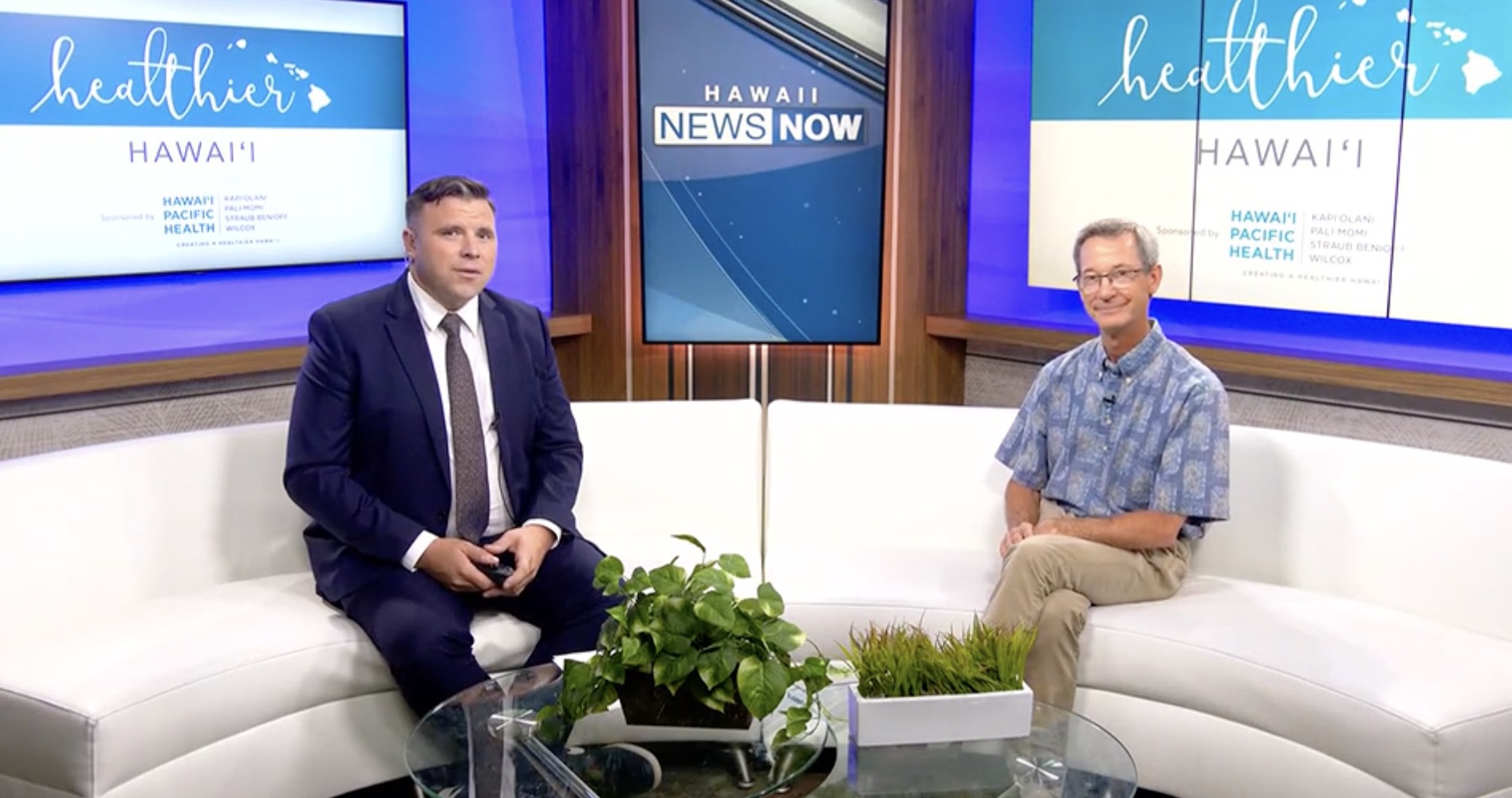
Kaua’i Family Medicine is thrilled to be the University of Hawai’i’s first rural Graduate Medical Education program and to be welcoming our inaugural class on July 1, 2026.
The JABSOM Department of Family Medicine and Community Health was established in 1992. The UH Family Medicine Residency Program started in 1994. Over more than 30 years, the Department and Program have graduated nearly 200 physicians with over 80% continuing to serve Hawai’i and the broader Pacific.
JABSOM offers 23 GME programs with an average of 245 trainees per year. In 2022, JABSOM and the DFMCH applied for and were granted a HRSA RRPD grant to develop the institutions first rural program on Kaua’i. This program has been developed with broad and collaborative support from core academic, organizational and administrative partners on both O’ahu and Kaua’i. These include JABSOM, HPH, HRP, QMC, HHSC Kaua’i, Kaua’i DHO and Ho’ola Lahui.
Making family physicians for rural Hawai’i
Rural
Community
Dignity
Primary Care
Improve health of rural communities and individuals in Hawai’i and the Pacific
Core Faculty
The Core Faculty of the University of Hawaiʻi Kauaʻi Family Medicine Residency Program are dedicated educators, clinicians, and mentors within the Department of Family Medicine and Community Health at the John A. Burns School of Medicine (JABSOM). They provide leadership in resident education through clinical teaching, mentorship, curriculum development, and scholarly activity.
Committed to excellence in rural and community based medical education, our faculty bring diverse clinical expertise and a shared passion for training the next generation of family physicians. Through close mentorship and hands on teaching, they help residents develop the skills, knowledge, and values needed to provide high quality, full spectrum care in Hawaiʻi and other underserved communities.
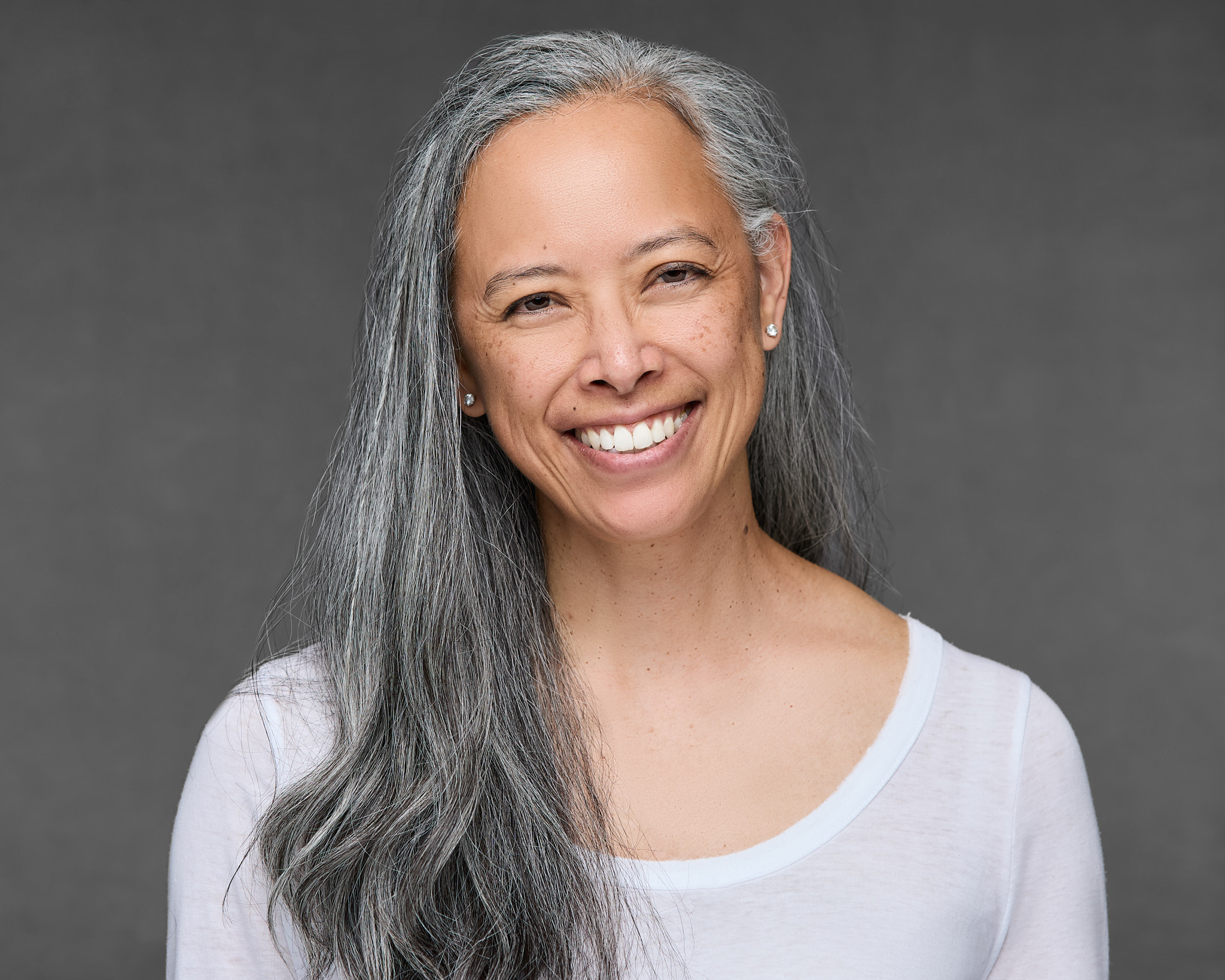
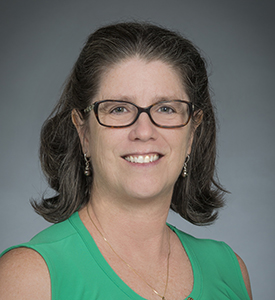
CYNTHIA OHATA, MD, FAAFP
Program Director
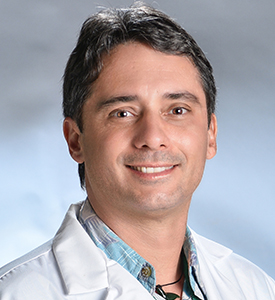
BRIDGET COLLINS, MD, FAAFP
Director of Clinical Medicine
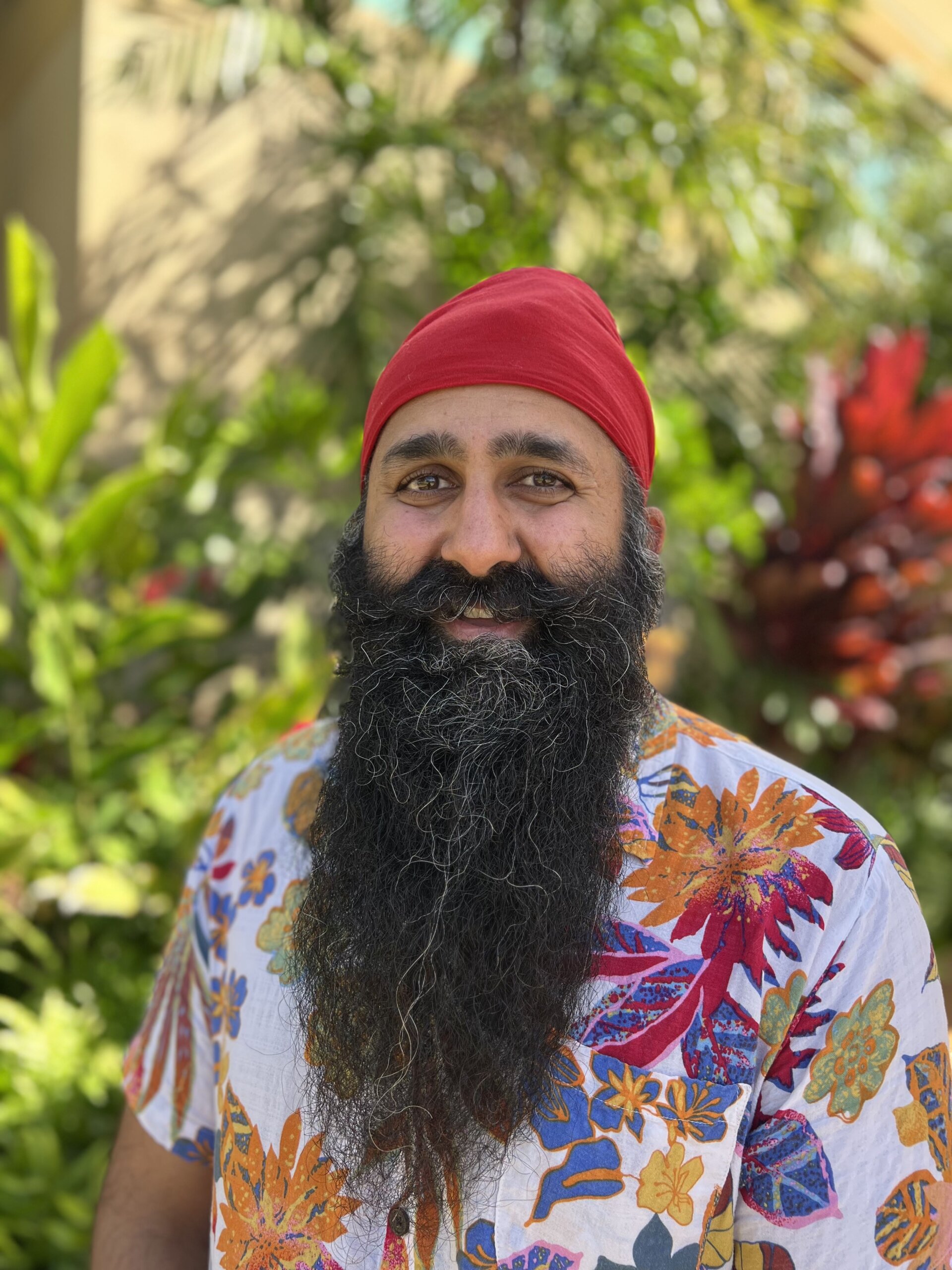
SASHI BRAGA, MD, FAAFP
Director of Geriatric Medicine
KANWARDEEP KALEKA, MD, PhD
Director of Behavioral Health
Program Details
Resident Curriculum Overview
The University of Hawaiʻi Kauaʻi Family Medicine Residency Program provides comprehensive, full spectrum training that prepares residents for the unique opportunities and challenges of rural practice. Through experiences in inpatient, outpatient, community, and specialty settings, residents develop the clinical skills, cultural humility, and leadership abilities needed to serve diverse populations across Hawaiʻi and beyond.
Training begins on Oʻahu during PGY-1 and transitions to Kauaʻi for PGY-2 and PGY-3, allowing residents to build a strong clinical foundation before immersing themselves in community based rural care.
PGY-1: Building a Strong Foundation
During the first year, residents complete core training experiences on Oʻahu, gaining broad exposure to inpatient medicine, intensive care, obstetrics, pediatrics, and a variety of medical and surgical specialties. Residents also travel to Kauaʻi throughout the year to become familiar with the island, connect with faculty and community partners, and begin establishing their continuity clinic experience.
PGY-2: Rural Immersion and Community Based Care
In the second year, residents transition full time to Kauaʻi, where they take on increasing responsibility across inpatient, outpatient, emergency, and community settings. Clinical experiences include geriatrics, orthopedics, family planning, surgery, pediatrics, behavioral health, cardiology, and community health. Residents establish their longitudinal continuity clinic and become deeply engaged with the patients and communities they serve.
PGY-3: Advanced Practice and Individualization
The third year emphasizes autonomy, leadership, and preparation for independent practice. Residents continue caring for patients across the continuum of care while expanding their expertise in women’s health, outpatient medicine, urgent care, and addiction medicine. Elective opportunities allow residents to tailor their training to individual career goals, including procedural medicine, public health, sports medicine, rural emergency care, and other areas of interest.
Continuity Clinic
Residents develop long term relationships with their patients through a longitudinal continuity clinic at Kauaʻi Medical Clinic in Kapaʻa. This experience is a cornerstone of training and provides residents with the opportunity to deliver comprehensive, patient centered care while gaining firsthand experience in the rewards and responsibilities of family medicine.
Didactics
Protected educational time is held weekly and follows a longitudinal curriculum designed to support progressive learning throughout residency. Educational sessions include interactive lectures, case based discussions, procedural workshops, and point of care ultrasound training.
During PGY-1, residents participate in didactics alongside their University of Hawaiʻi family medicine colleagues on Oʻahu. During PGY-2 and PGY-3, the curriculum is tailored to the unique healthcare needs of Kauaʻi and rural Hawaiʻi, ensuring residents receive practical, community focused training that supports success in rural practice.
Applying to our Program
The University of Hawaiʻi Kauaʻi Family Medicine Residency Program seeks applicants who are passionate about Family Medicine, dedicated to serving diverse communities, and eager to make a meaningful impact in rural and underserved areas. We value individuals who demonstrate compassion, resilience, strong communication skills, teamwork, cultural humility, and a commitment to lifelong learning.
Application Process
Applicants must apply through the Electronic Residency Application Service (ERAS) . Each application is reviewed holistically by our faculty and Program Director, considering not only academic achievement and clinical performance, but also personal experiences, leadership, service, character, and alignment with our mission of caring for the people of Hawaiʻi and the Pacific region.
Application Requirements
To be considered for an interview, applicants must submit:
- A completed ERAS application by November 1
- Official transcripts demonstrating passing scores on:
- USMLE Step 1 and Step 2, and/or
- COMLEX Level 1 and Level 2
- A minimum of three Letters of Recommendation, including at least one from a Family Medicine physician
- Graduation from medical school in 2020 or later
- A Personal Statement that reflects:
- Who you are and the experiences that have shaped your journey
- Why you chose Family Medicine
- Why you are interested in the Kauaʻi Family Medicine Residency Program
- Your interest in rural health and caring for underserved communities
Additional Eligibility Requirements
- Fluency in spoken and written English is required.
- International Medical Graduates must be ECFMG certified before matriculation.
- J-1 visa sponsorship is available. No other visa sponsorship options are offered.
- Matched applicants without a Social Security Number must arrive in Hawaiʻi at least 30 days before the start of residency to complete required onboarding processes.
Interview Experience
Interview invitations are extended through ERAS on a rolling basis throughout the recruitment season. All interviews are conducted virtually via Zoom, providing applicants an opportunity to connect with our residents, faculty, and program leadership from anywhere in the world.
- Interviews will be offered through ERAS email on a rolling basis
- All interview sessions will be conducted virtually on one (1) day via ZOOM
- A typical interview day includes:
- Welcome and interview registration
- Participation in Morning Report
- Program overview with the Program Director
- Interviews with faculty and program leadership (including current residents and/or rural scholars)
- Administrative orientation and program information
- Opportunities to learn about resident life, training experiences, and the unique community of Kauaʻi
Hawaii Residency Programs, Inc. provides equal employment opportunities to all employees and applicants for employment and prohibits discrimination and harassment of any type without regard to race, color, religion, age, sex, national origin, disability status, genetics, protected veteran status, sexual orientation, gender identity or expression, or any other characteristic protected by federal, state, or local laws. If you need accommodations at any time, please contact HRP Human Resources at 808-586-2891.
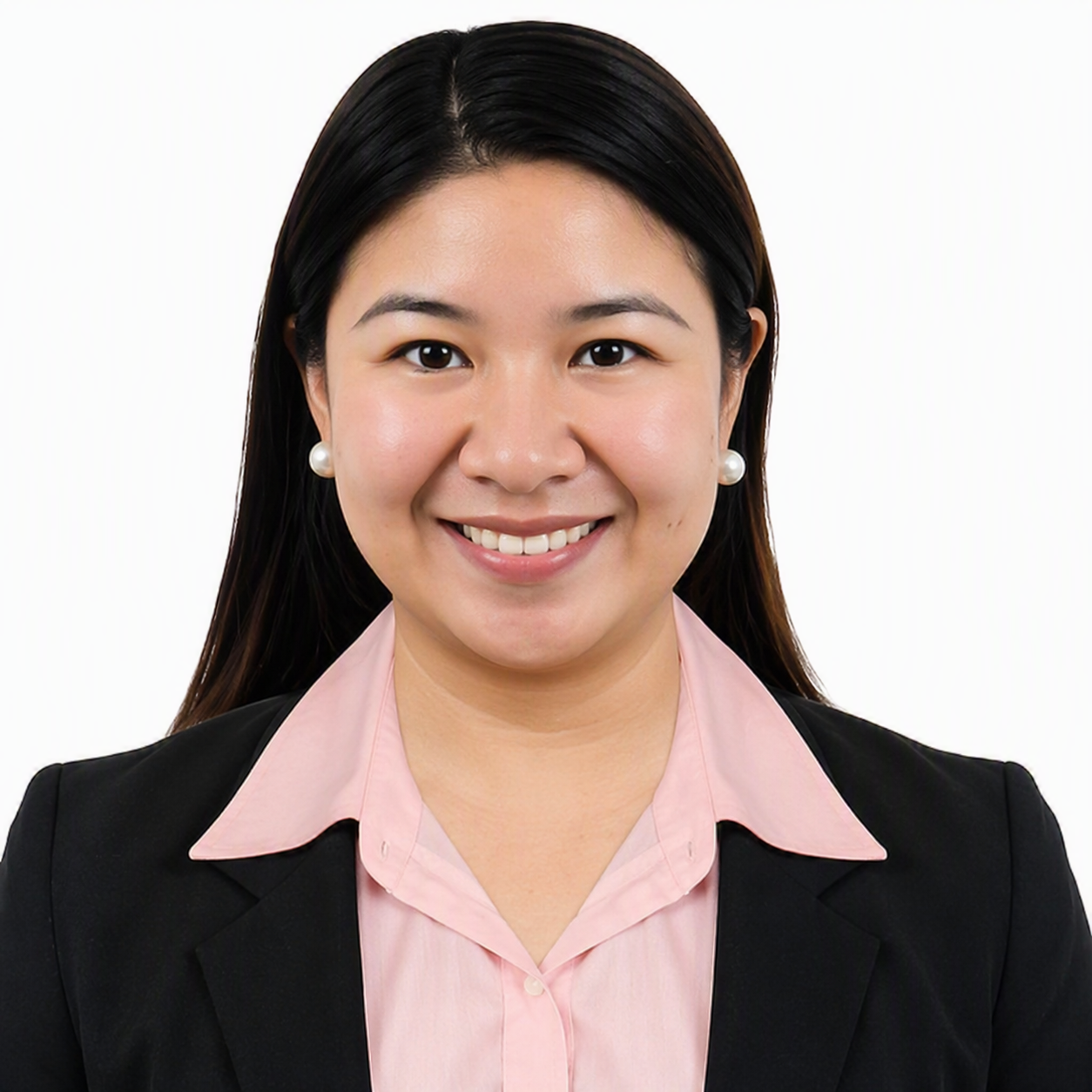
Stephanie Krystel Canicula, MD
Stephanie Krystel Canicula grew up in a rural area of northern Luzon in the Philippines and graduated from University of Santo Tomas Faculty of Medicine and Surgery. She spent several years as a nurse prior to medical school and has a deep interest in community and rural health. She has been in clinical practice in Quezon City in the Philippines. In addition, She knows she can make a difference in rural medicine and in the Filipino community and is committed to achieving that. She has close family in Hawaii, some also in the medical field. In her free time, she likes to create health infographics.
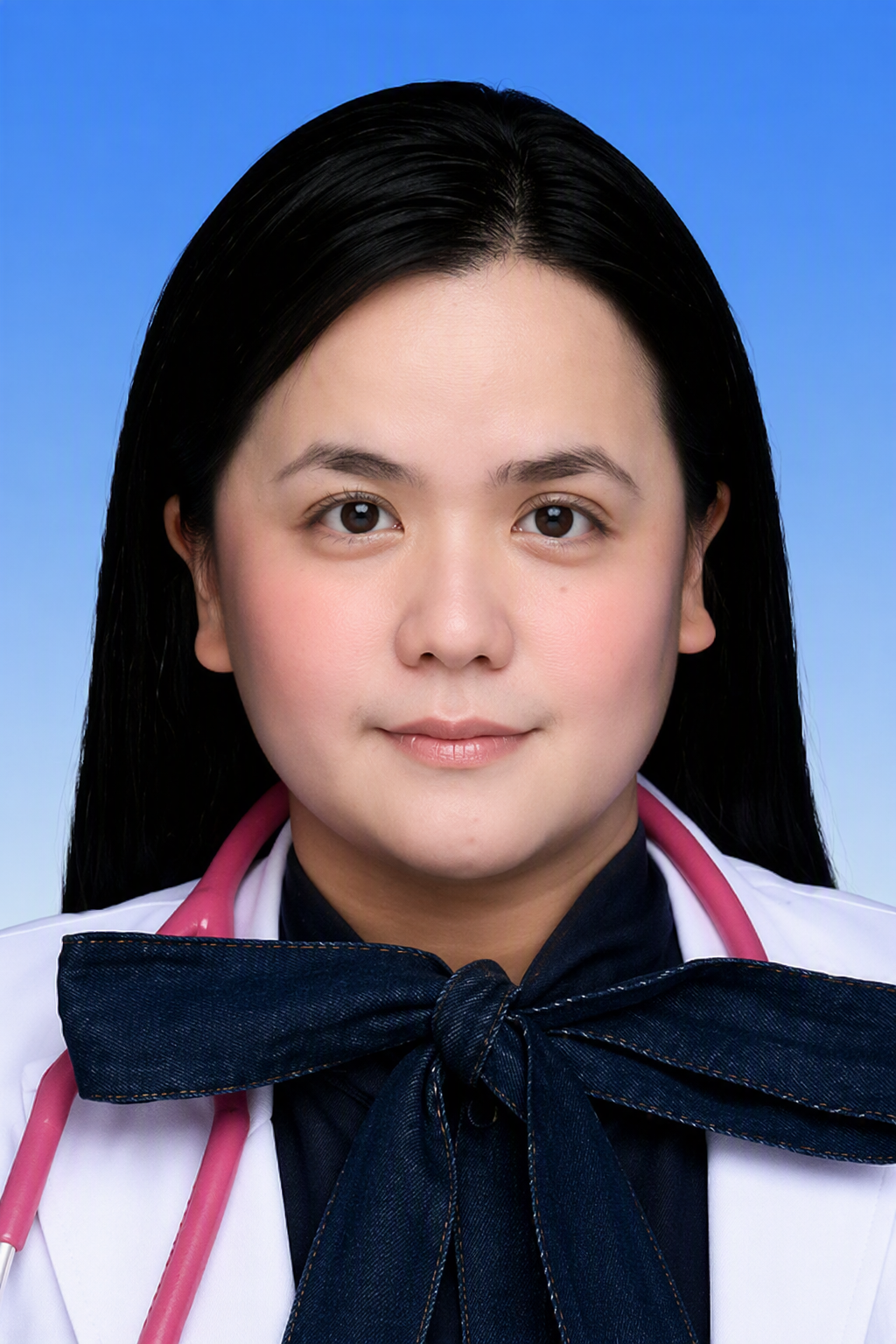
Nicole Mora Bowen Ochoa, MD
Nicole Mora Bowen Ochoa grew up in Ecuador and graduated from Universidad Internacional del Ecuador Facultad de Ciencias Médicas y de la Salud where she served as the Medical School Student Body President. After medical school she served as the sole physician on one of the Galapagos islands, where she discovered the fulfillment of leadership at the intersection of primary care, community health, and policy. She achieved a Master’s degree in Healthcare Administration and served at the Ministerio de Relaciones Exteriores y Movilidad Humana (Medical Director, Ministry of Foreign Affairs and Human Mobility) before moving to the US. She has been looking for a beautiful, close-knit tropical island to host her professional passions and love of diving and hiking.
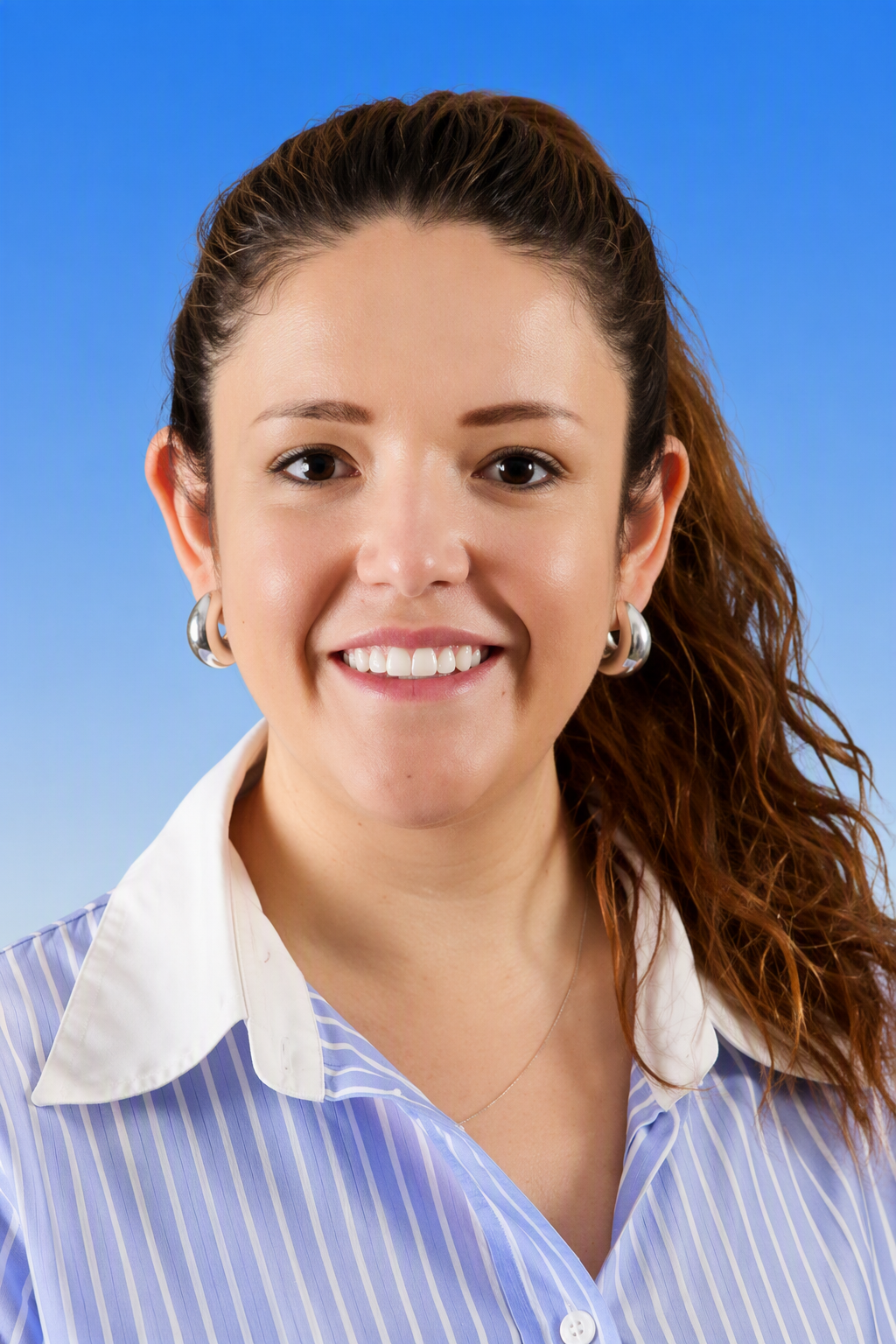
Samuel Mukai, MD
Samuel “Sam” Mukai was raised on O’ahu. He attended the University of Washington for undergrad and St. George’s University School of Medicine Grenada, West Indies for medical school. He has experience in phlebotomy, pathology, biotech research, resident advising and nonprofit administration. Through these diverse perspectives, he has developed a holistic appreciation of each role on a team in creating outcomes. Sam is especially passionate about living and working in Hawai’I, and creating quality compassionate care for our rural island populations. Sam’s free time is filled with hiking, surfing, swimming, golfing, trivia, family, and exploring Hawai’i.
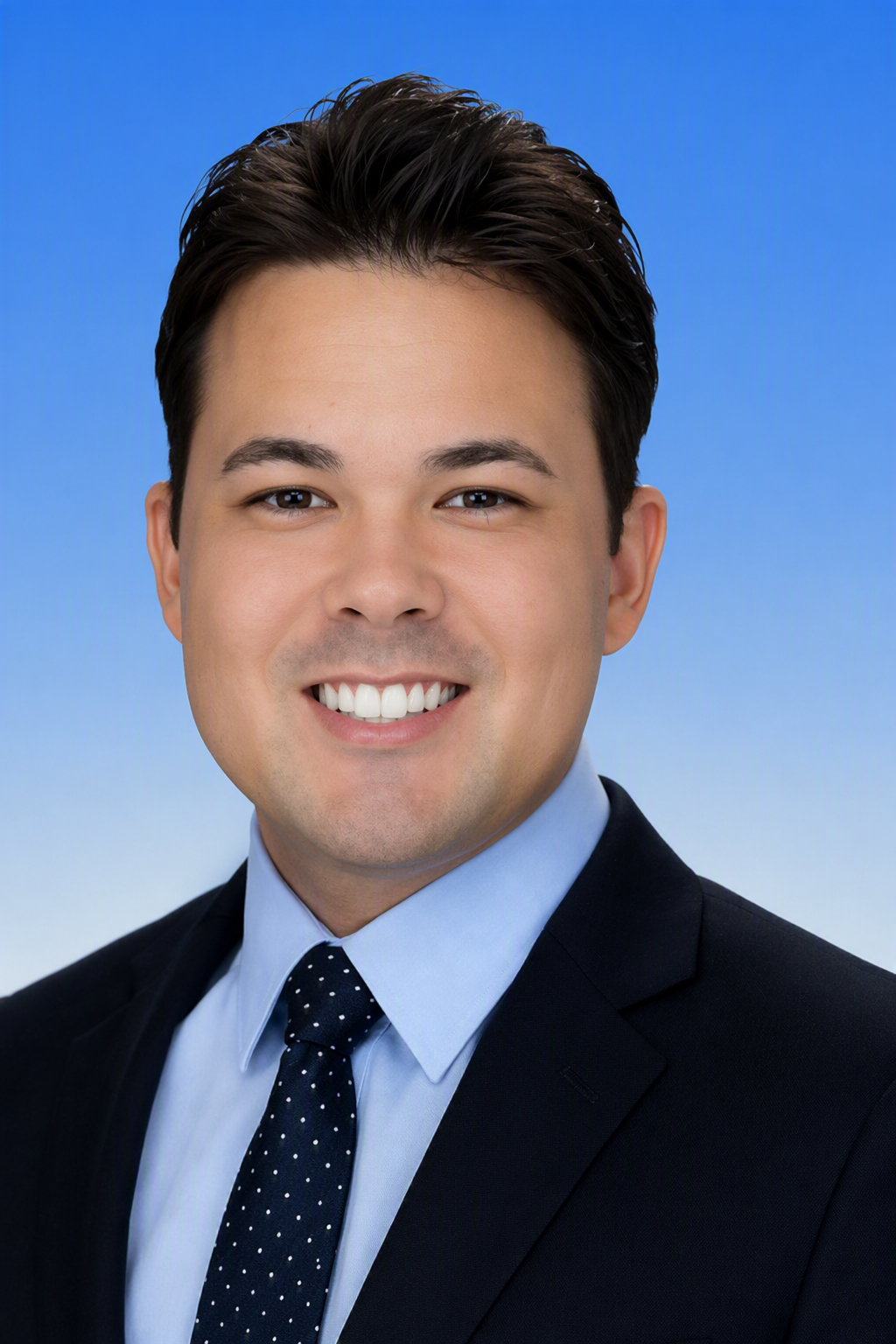
Ma. Shenny Joy Santiago, MD
Ma. Shenny Joy Santiago grew up in the Philippines. She graduated from University of the East/Ramon Magsaysay Memorial Medical Center College of Medicine then completed an OB/Gyn residency in the Philippines. She served as the program’s Chief Resident during challenging pandemic years when she developed leadership and advocacy skills to create order and impact. She treasures long-lasting relationships with patients, and also with staff and community partners. She appreciates the depth of these relationships in rural practice such as on Kaua’i. In her free time, Shenny can be found writing, watching movies or TV, or enjoying photography.
UH Kauai Family Medicine Rural Scholars Program
Building the Next Generation of Rural Family Physicians for Hawaiʻi
The UH Kauaʻi Family Medicine Rural Scholars Program is designed for exceptional medical students who are committed to serving rural communities throughout Hawaiʻi and the Pacific. This unique pathway provides aspiring family physicians with early mentorship, specialized training, and a direct connection to a residency program dedicated to community centered, rural healthcare.
Through personalized guidance and immersive educational experiences, scholars develop the knowledge, skills, and relationships needed to become leaders in rural Family Medicine while preparing for a seamless transition into residency training on Kauaʻi.
Who Should Apply?
The Rural Scholars Program is intended for third year medical students who demonstrate both academic excellence and a genuine commitment to rural medicine.
Eligible applicants are:
⚬ Students in good standing at an accredited U.S. medical school
⚬ Individuals committed to training with the UH Kauaʻi Family Medicine Residency Program
⚬ Future physicians who aspire to practice in rural Hawaiʻi or communities across the Pacific
Program Benefits
The Rural Scholars Program offers a unique opportunity to begin building your future in rural Family Medicine before residency even begins.
As a Rural Scholar, you will receive individualized mentorship tailored to your professional goals, participate in a Hawaiʻi focused rural health curriculum during your fourth year of medical school, and gain valuable exposure to the healthcare needs and strengths of rural island communities.
Perhaps most importantly, scholars who successfully complete medical school and all program requirements are guaranteed a position in the UH Kauaʻi Family Medicine Residency Program. Participants also bypass the traditional NRMP Match process, reducing both the financial burden and uncertainty often associated with residency applications.
This pathway allows students to secure their residency position early while fully dedicating their final year of medical school to preparing for a career in rural Family Medicine.
Application Requirements
To be considered for the Rural Scholars Program, applicants must submit:
⚬ A personal statement describing their commitment to rural Family Medicine and their interest in serving Hawaiʻi and/or the Pacific region
⚬ A current Curriculum Vitae (CV), including scholarly work, research, presentations, and other relevant experiences
⚬ A medical school transcript (unofficial transcripts are accepted)
⚬ USMLE and/or COMLEX examination scores
⚬ Two letters of recommendation addressing academic readiness and suitability for rural medicine in Hawaiʻi, including at least one letter from a Family Medicine physician
*Letters of recommendation should be submitted directly to kauaifm@hawaii.edu.
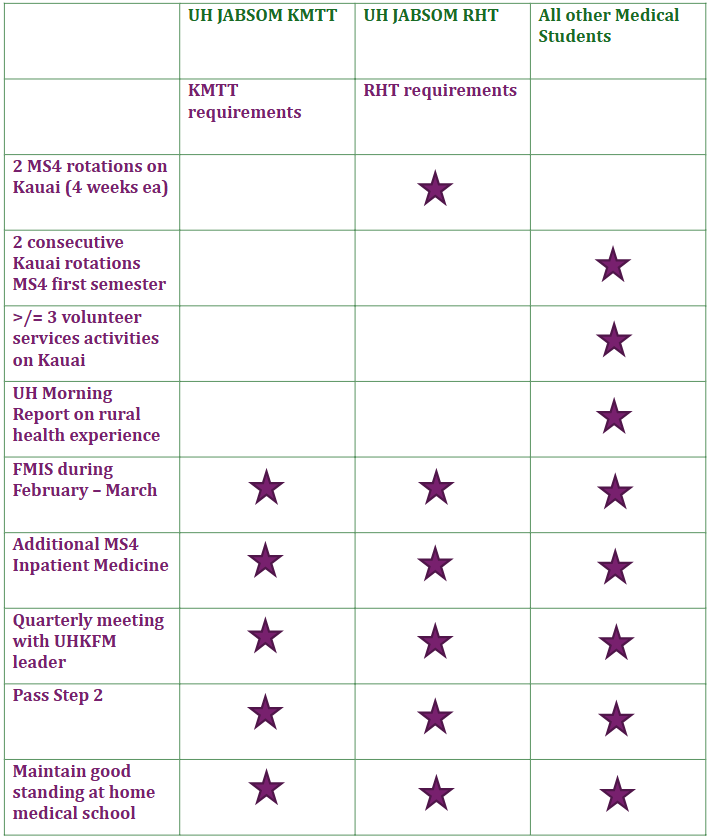
MS4 Curriculum
Rural Scholars Class of 2030
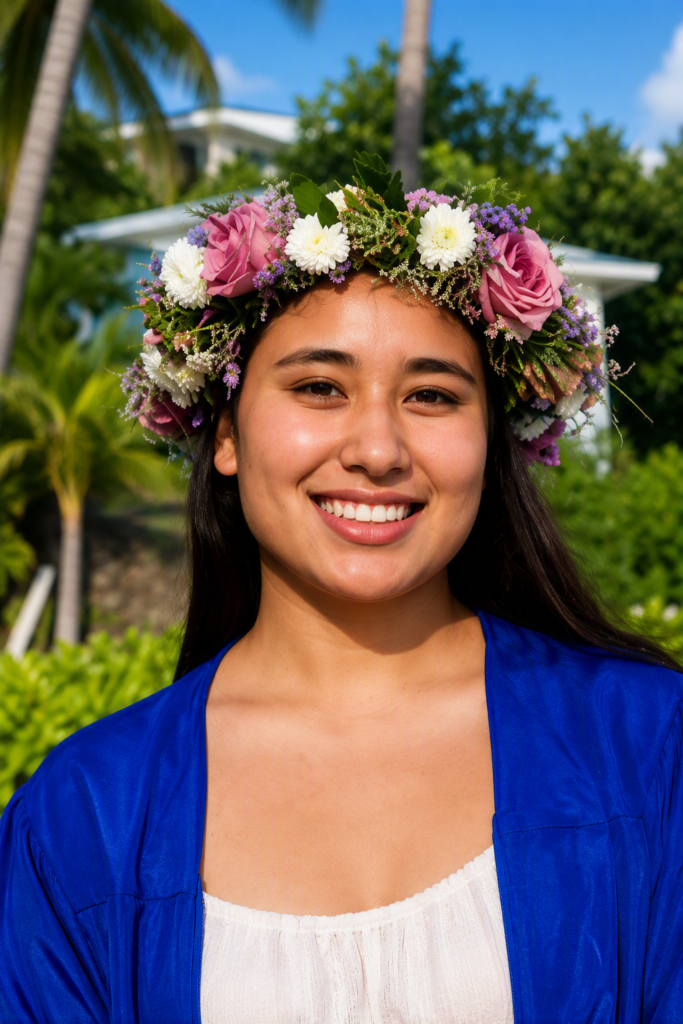
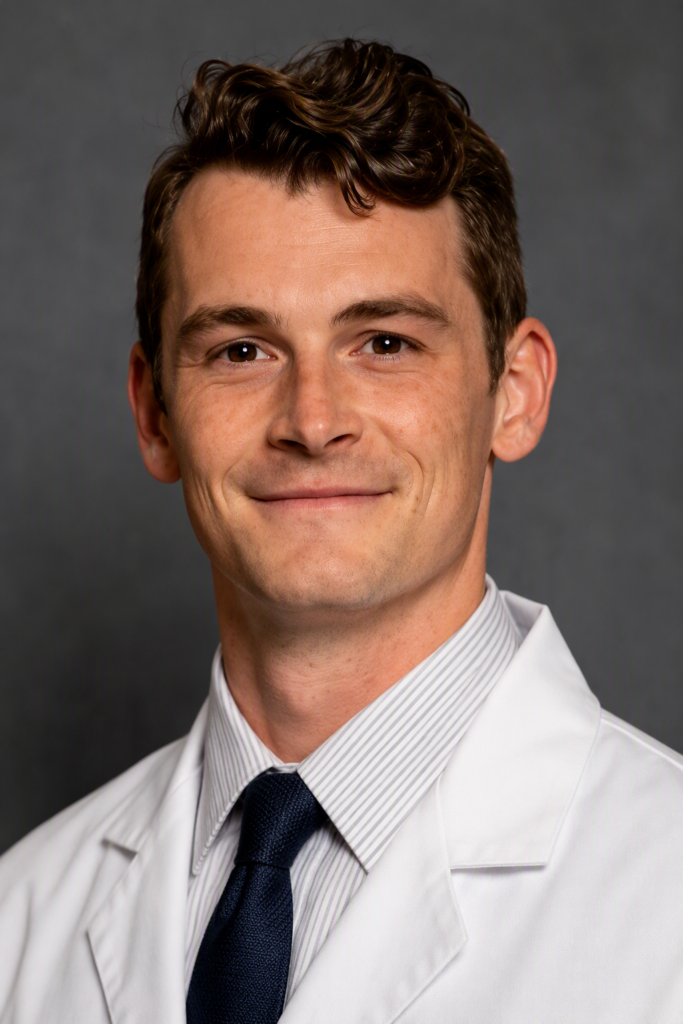
Deshaynee Laʻakaimakana Tsuneko Alapai Iseri
Raised in Anahola on Kauai, Deshaynee is a third year medical student at AT Still School of Osteopathic Medicine in Arizona. She is a Native Hawaiian Health Scholar with a wealth of experience with care, interventions and research through multiple Community Health Centers in Hawaii. She states that “As a future Native Hawaiian physician, I seek to serve with humility and responsibility. I want to honor the pilina between health, history, land, and community. By remaining present and accountable, I hope to serve the community that made me who I am and care for the families who once cared for me.”
Quinton “Quin” Nace
A third year medical student at Rocky Vista University Montana College of Osteopathic Medicine, Quin has spent 1.5 years total living on Kaua’i. Quin was raised in Fairbanks, Alaska which he likens to Kaua’i in being both rural and remote and with people that are proud, independent, and value friendship and community deeply. He has multiple global health experiences in diverse locations. Quin was drawn to this “program that values strong patient-centered training and a culture of friendship, where I can continue refining the skills that first drew me to medicine: listening, problem-solving, and seeing patients as partners in care.
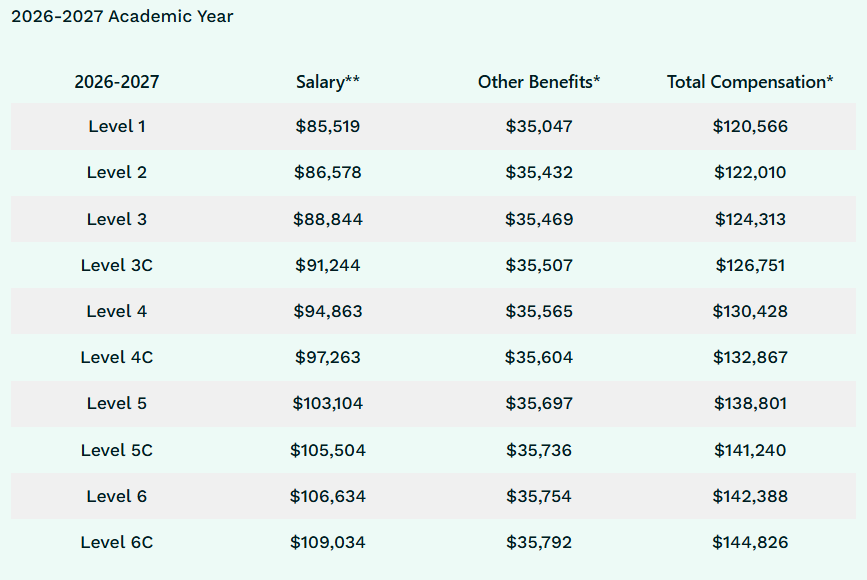
Salary & Benefits
Contact


Kauai Family Medicine Residency Program
4-831 Kuhio Highway, Ste. 332
Kapaa, Hawai’i 96746
Email: kauaifm@hawaii.edu
Phone: (808) 664-5728
