

Neurology Residency

Message from the Program Director
It is difficult to fully express how excited I am to welcome the inaugural class of residents to the Hawai‘i Neurology Residency Program.
Our faculty are accomplished clinicians, educators, and researchers who trained at outstanding institutions across the world. They could have chosen to practice anywhere, yet they chose Hawai‘i because there is something truly special about caring for patients and building community here.
Hawai‘i is home to people from many cultures and backgrounds, and we believe the spirit of aloha should guide every interaction — with our patients, our colleagues, our learners, and our community. We are committed to creating a residency program that combines rigorous neurological training with compassion, humility, collaboration, and respect.
We look forward to training neurologists who will not only become outstanding physicians, but who will also embody the values of service and human connection that make Hawai‘i unique.
Doug Miles, MD PhD FAAN
Program Director
The first neurological specialists to practice in Hawai‘i were Fredrick Reichert MD, a neurosurgeon from Stanford University who practiced here part-time, and Ralph B. Cloward MD, a neurosurgeon who practiced full-time starting in 1938. Since then, the number of neurologists in Hawai‘i has grown, but there is still a shortage of neurologists here as there is worldwide.
In February 2026, the ACGME granted initial accreditation to our program, and we look forward to welcoming our first cohort of neurology residents in July 2027.
Our MISSION is to dedicate ourselves to serving the communities of Hawai’i and the Pacific through education, research and quality patient care while training the next generation of neurologists.
The faculty of the Hawaii Neurology Residency Program were chosen because of their skills and dedication to excellence. Our VISION is to build a community of knowlegeable, skilled neurologists in the Pacific, known for quality, excellence, and aloha, on par with any institution in the world.
Our Faculty
Our Division of Neurology brings together a dedicated community of academic faculty and a wide network of volunteer clinical educators who are deeply committed to resident education and mentorship. Reflecting Hawai‘i’s unique multicultural character, our faculty and patient population are richly diverse.
Required ambulatory rotations and inpatient teaching rounds expose residents to a range of patient management styles.
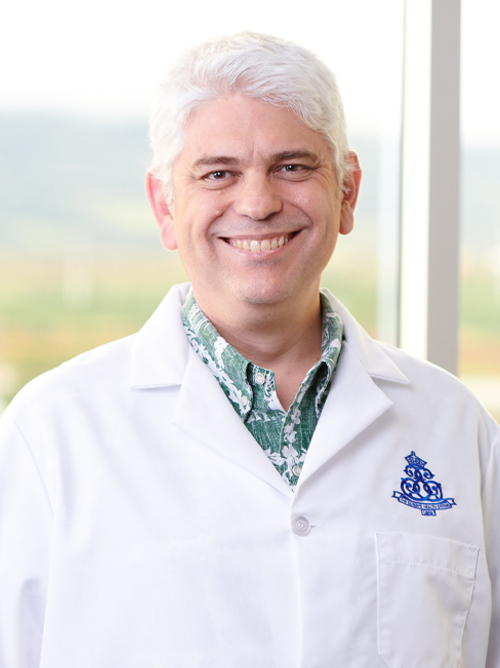
J. Douglas Miles, MD, PhD, FAAN
Program Director
University of Hawaii: Associate Professor of Medicine, Associate Professor of Anatomy, Biochemistry, & Physiology
The Queen’s Medical Center
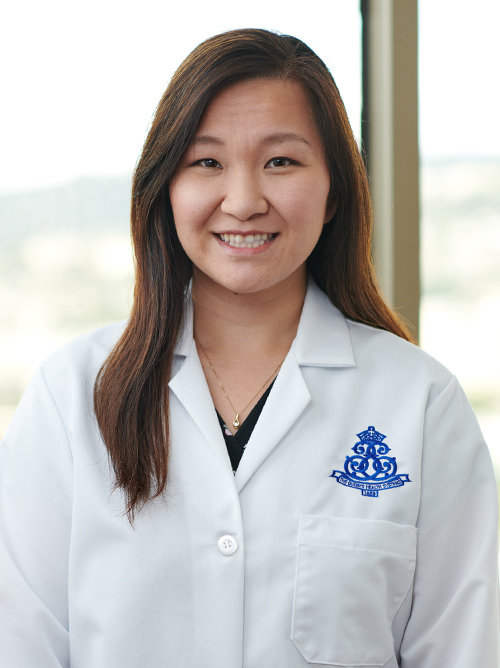
Fay Gao, MD
Associate Program Diector
University of Hawaii: Clinical Assistant Professor of Medicine
The Queen’s Medical Center
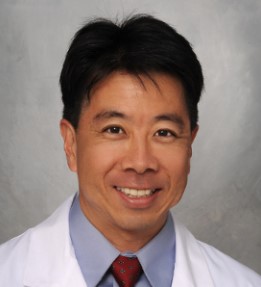
Keith Abe, MD
Associate Program Director
University of Hawaii: Assistant Professor of Pediatrics
Kapi’olani Medical Center for Women and Children
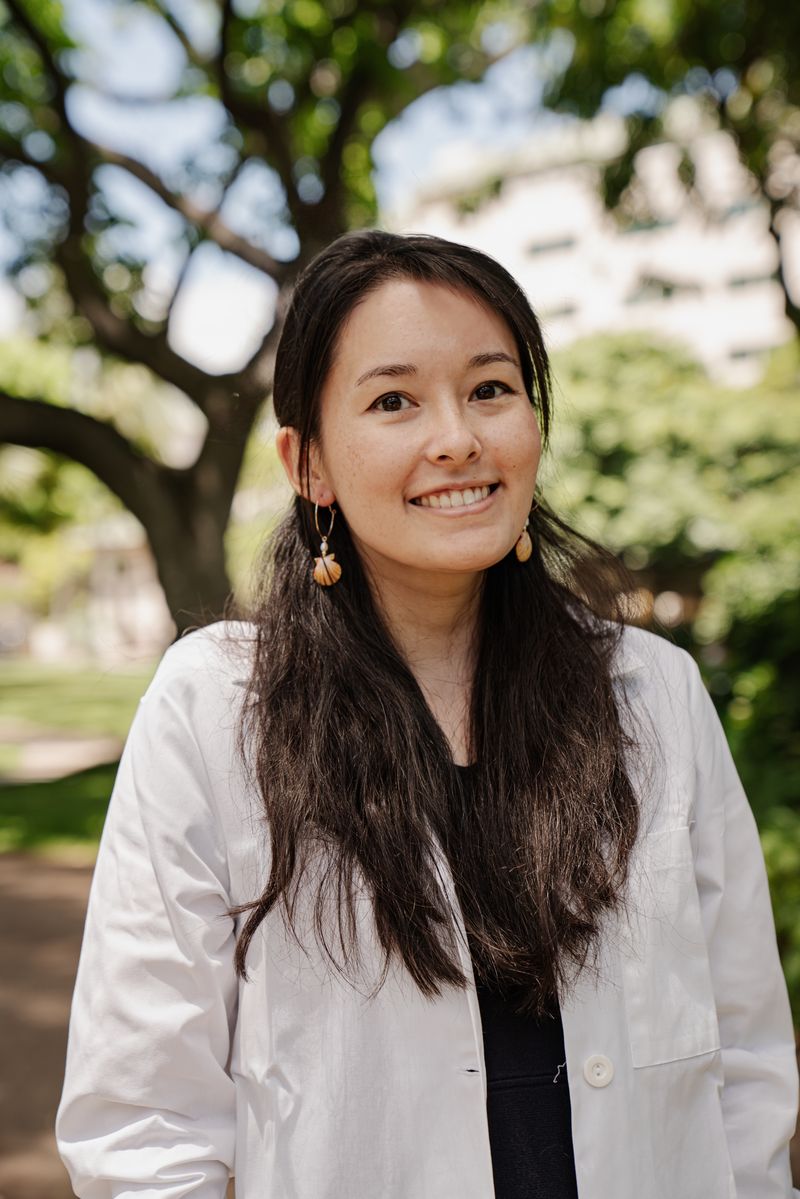
Lindsey Carvahlo, MD Associate Program Director
University of Hawaii: Clinical Assistant Professor
The Queen’s Medical Center
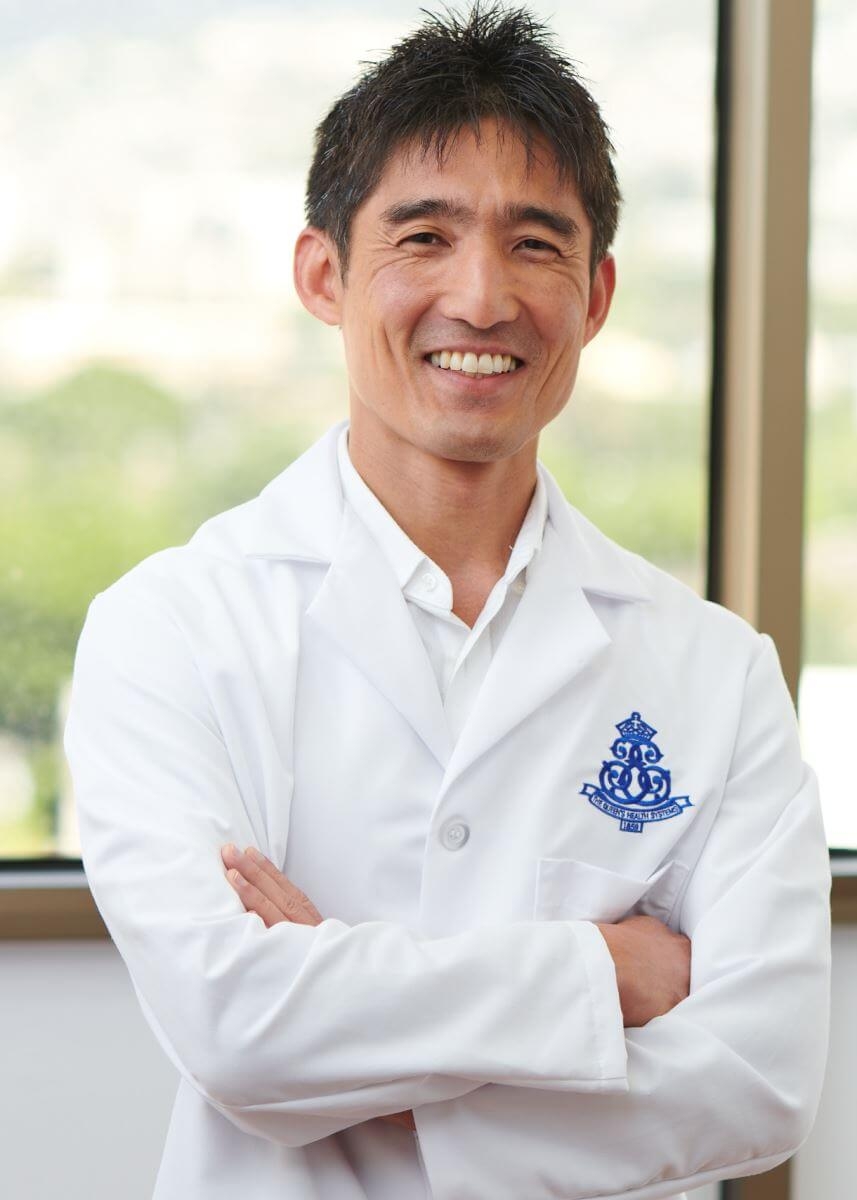
Kazuma Nakagawa, MD, FAAN, FAHA
University of Hawaii: Professor of Medicine
The Queen’s Medical Center
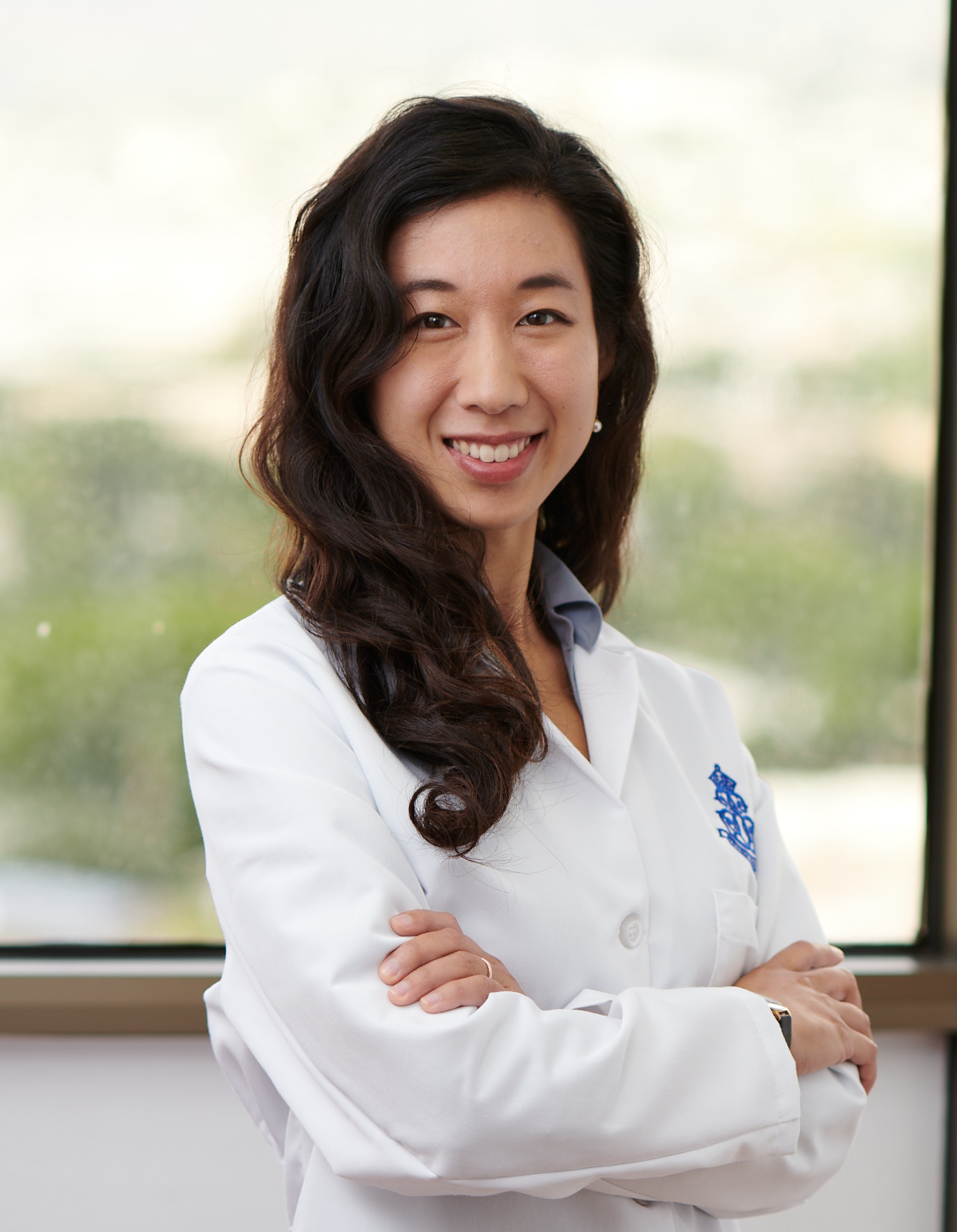
Stacy Brown, MD
University of Hawaii: Associate Professor of Medicine
The Queen’s Medical Center
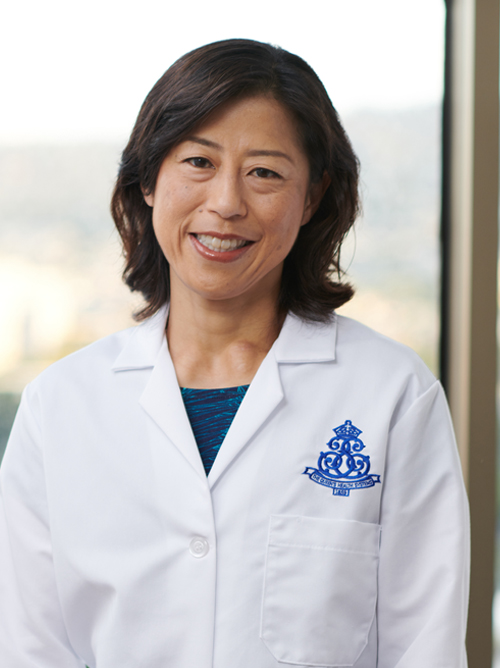
Michiko K. Bruno, MD
University of Hawaii: Professor of Medicine
The Queen’s Medical Center
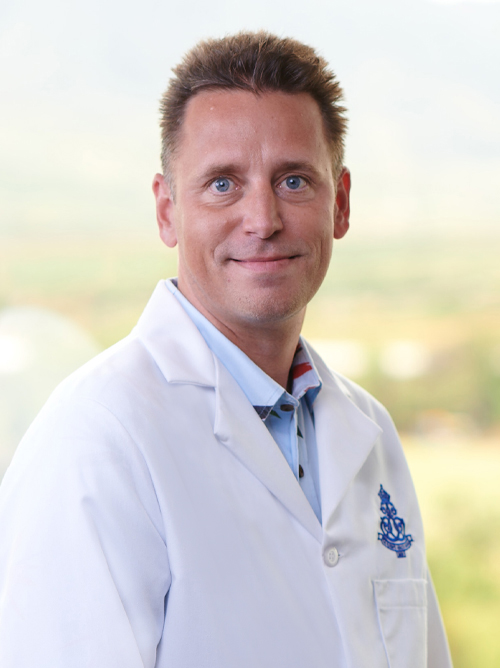
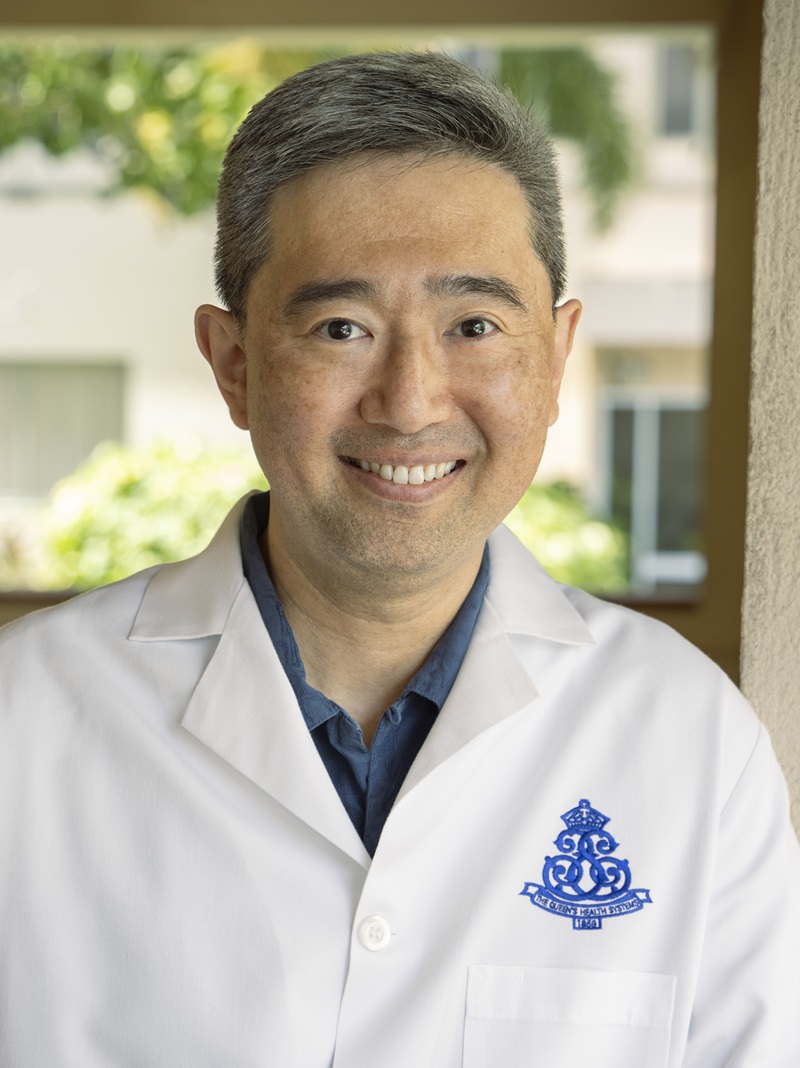
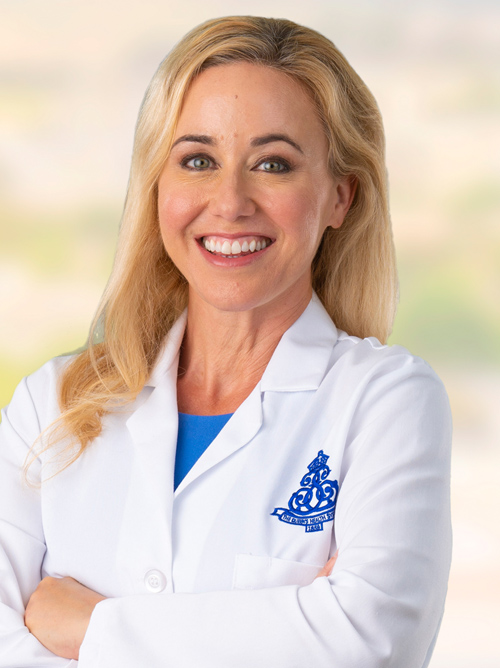
Karen DaSilva, MD
Specialty: Neuromuscular Medicine
University of Hawaii: Clinical Assistant Professor of Medicine
The Queen’s Medical Center
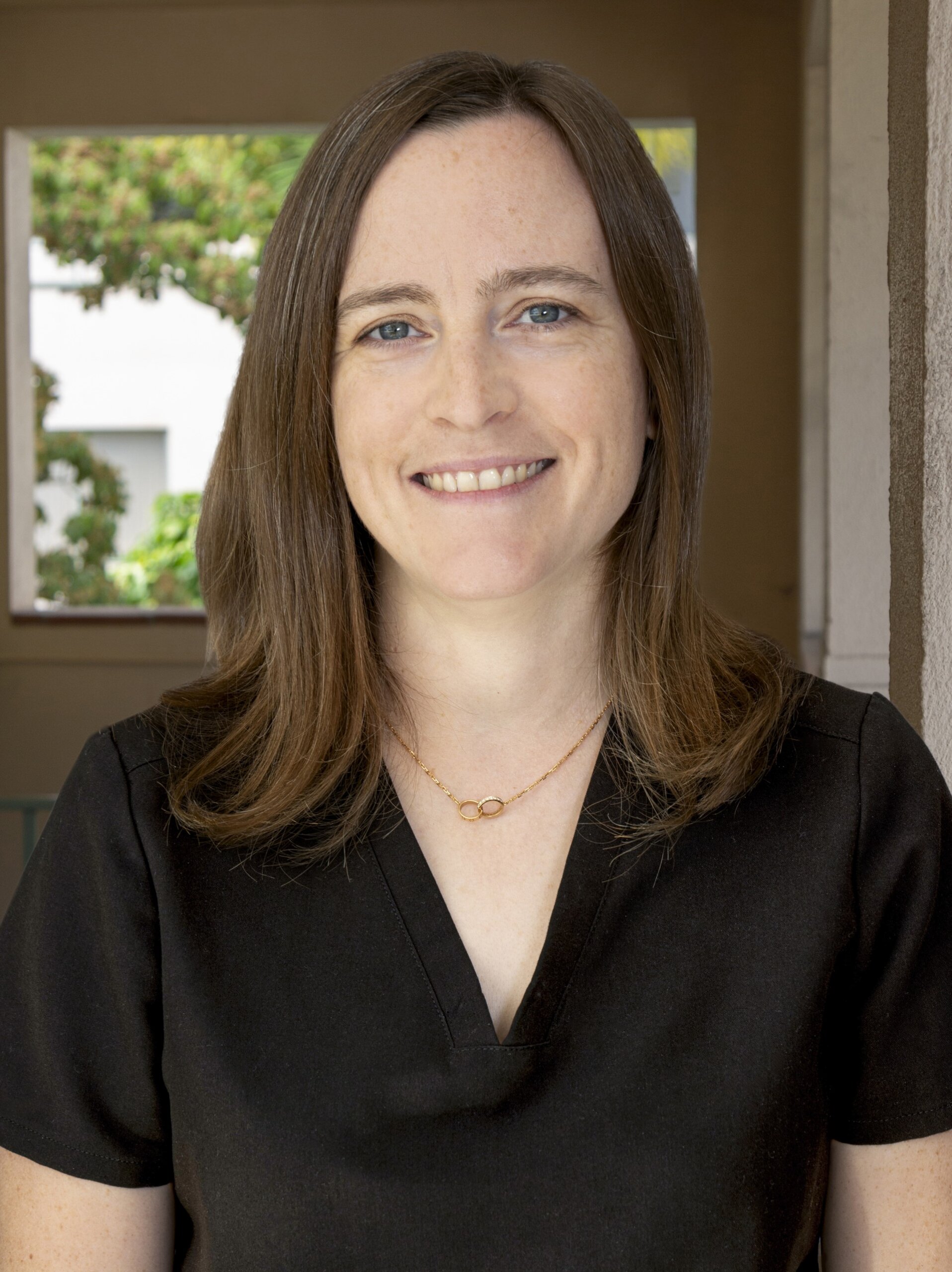
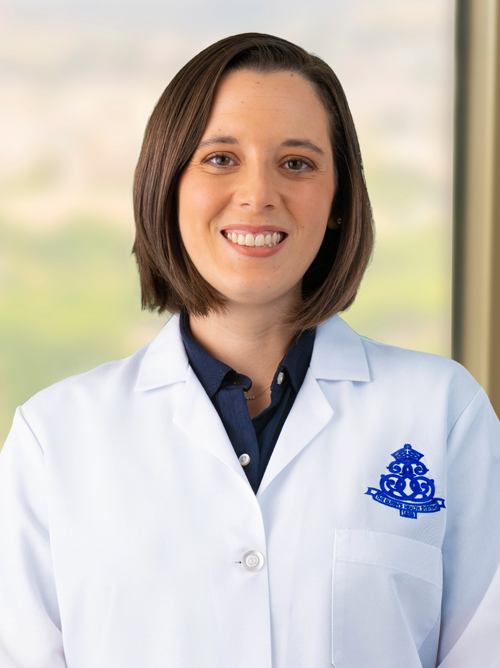
Alexandra Galati, MD
Specialty: Neurology
University of Hawaii: Clinical Assistant Professor of Medicine
The Queen’s Medical Center
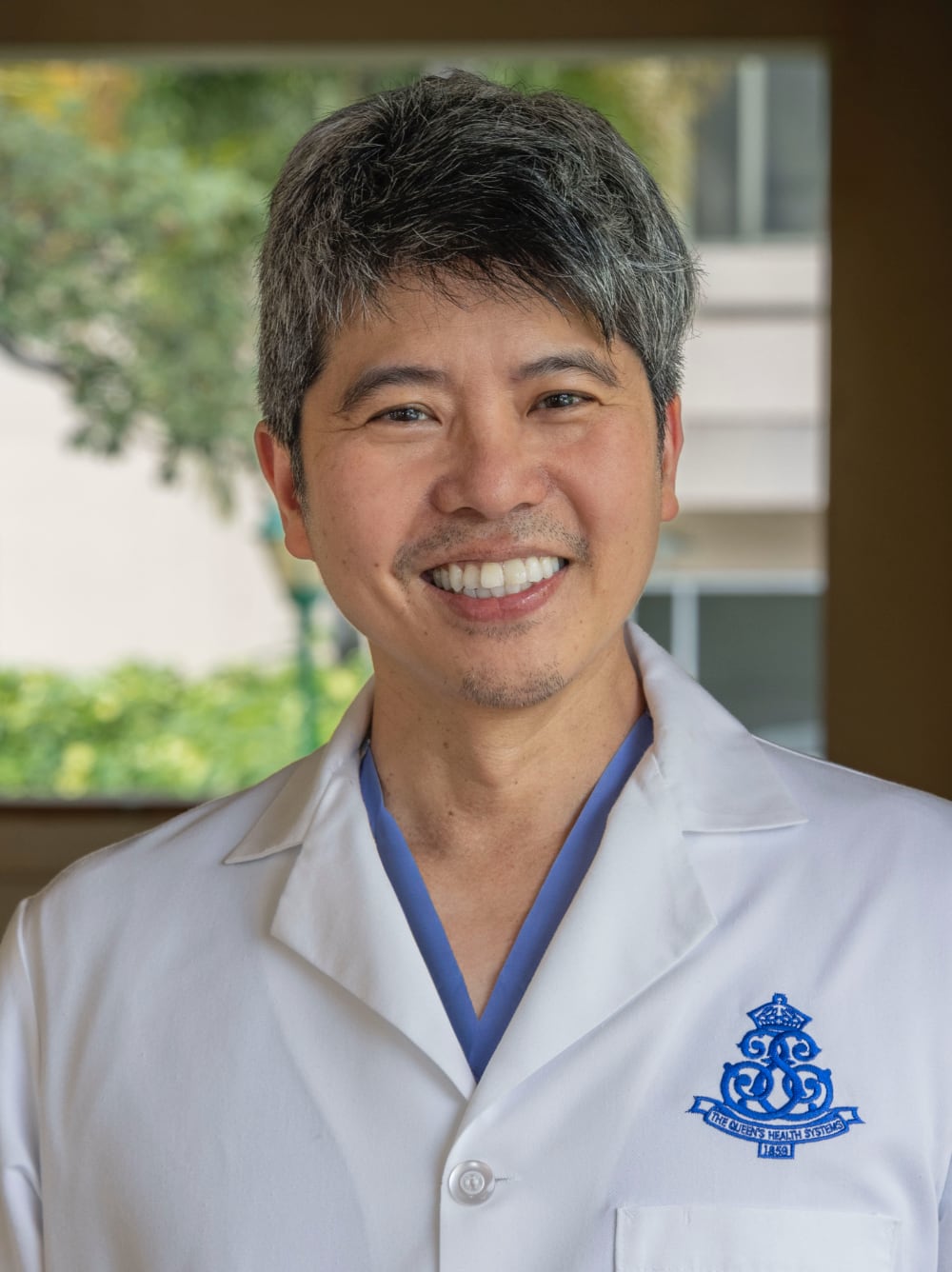
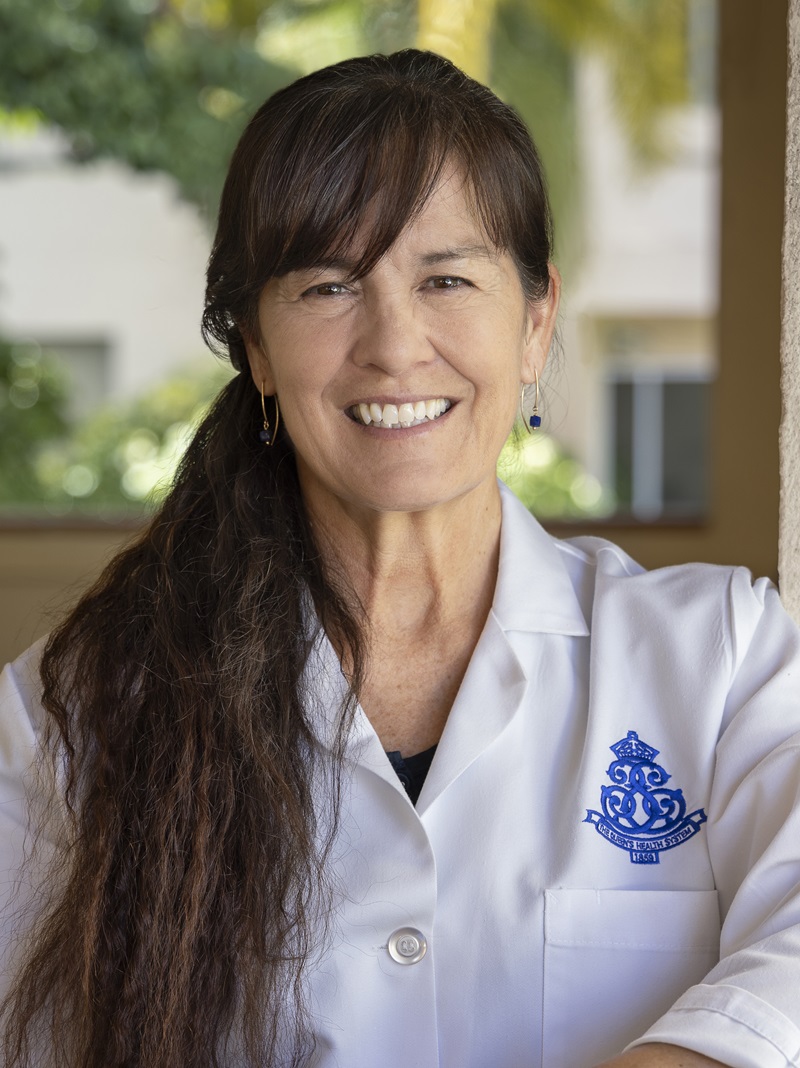
Linda Jaffe, MD
Specialty: Neurology
University of Hawaii: Clinical Assistant Professor of Medicine
The Queen’s Medical Center
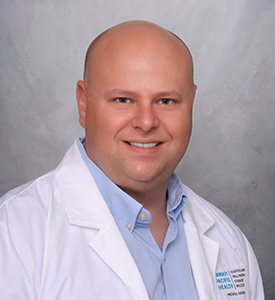
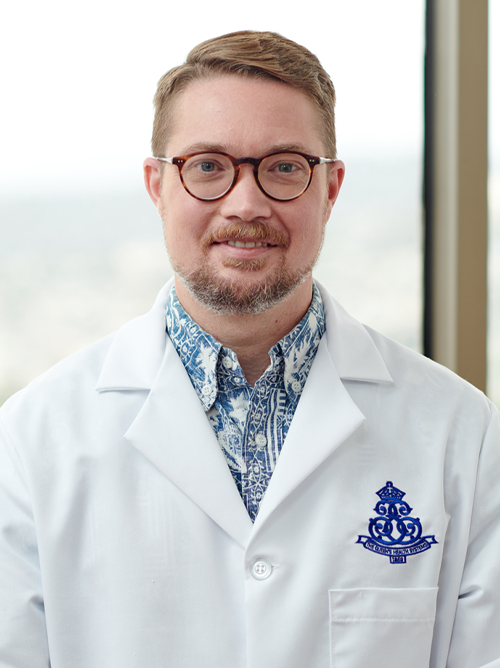
Matt Koenig, MD
Specialty: Neurocritical Care
University of Hawaii: Professor of Medicine
The Queen’s Medical Center
Jeffrey Liu, MD
Specialty: Neurology
University of Hawaii: Clinical Assistant Professor of Medicine
The Queen’s Medical Center, Hawaii Pacific Health
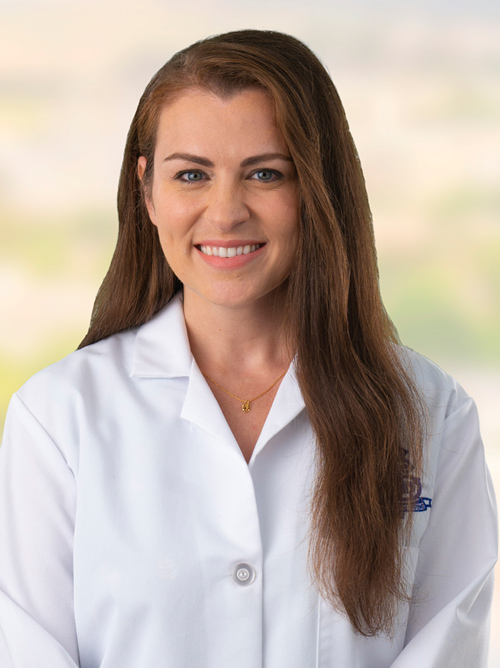
Karen Morgenshtern-Yacoby, MD
Specialty: Headache Neurology
University of Hawaii: Clinical Assistant Professor of Medicine
The Queen’s Medical Center

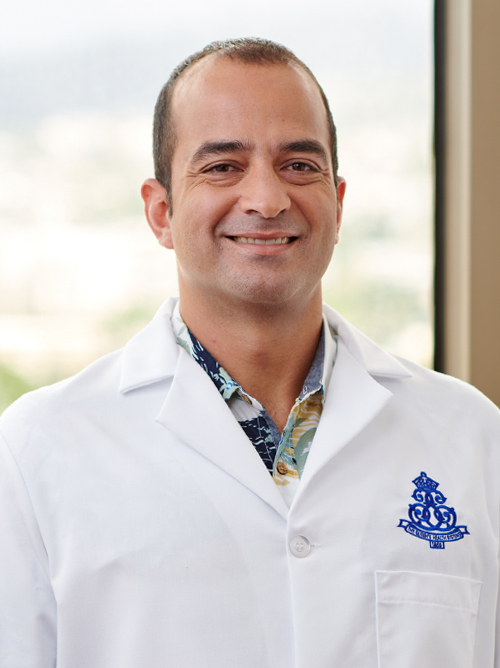
Rony Salem, MD
Specialty: Inpatient Neurology
University of Hawaii: Clinical Assistant Professor of Medicine
The Queen’s Medical Center
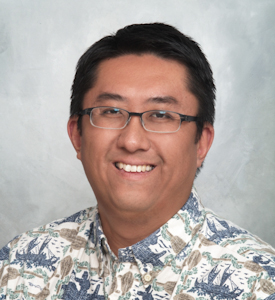
Huidy Shu, MD
Specialty: Neurology
University of Hawaii: Clinical Assistant Professor of Medicine
The Queen’s Medical Center
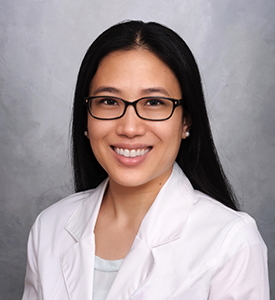
Aileen Tanaka, MD
Specialty: Child Neurology
Kapi’olani Medical Center for Women and Children
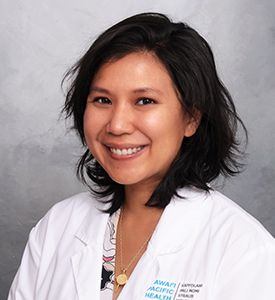
Apirada Thongsing, MD
Specialty: Child Neurology
Kapi’olani Medical Center for Women and Children
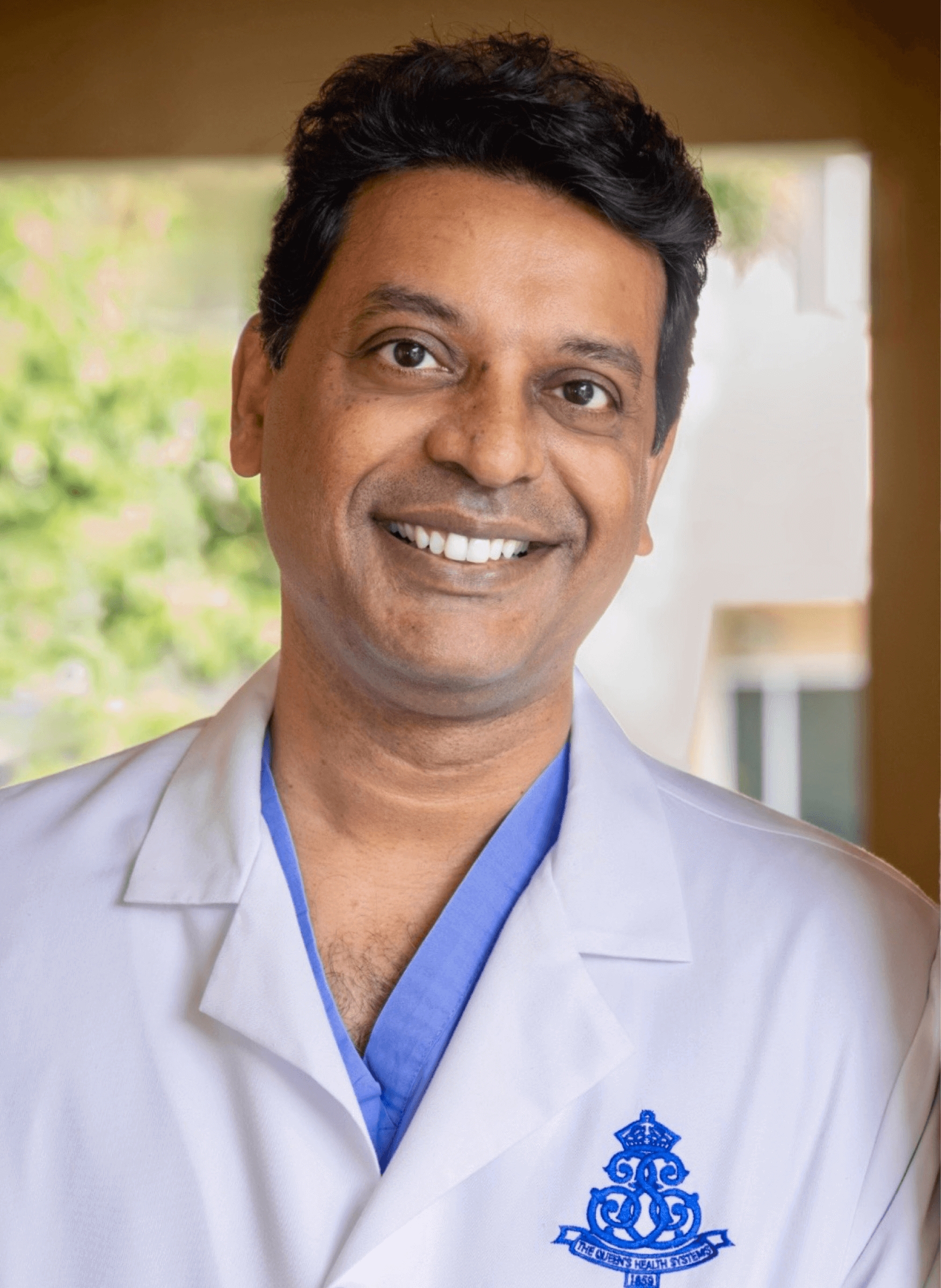
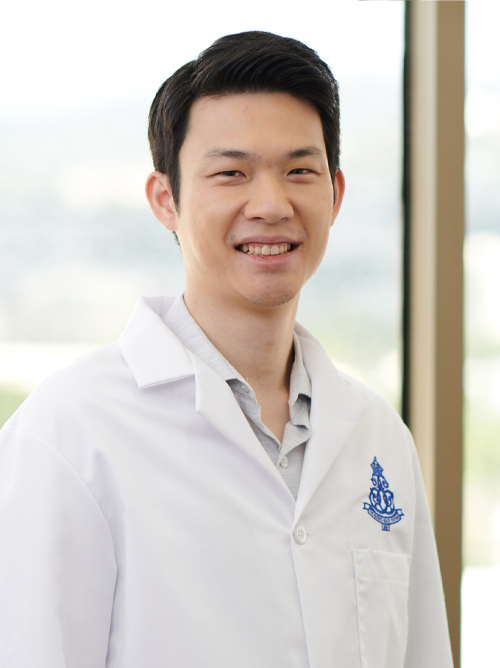
Chung-Huan “Johnny” Sun, MD
Specialty: Neurointerventional neurology, Neurocritical Care.
University of Hawaii: Clinical Assistant Professor of Medicine
The Queen’s Medical Center
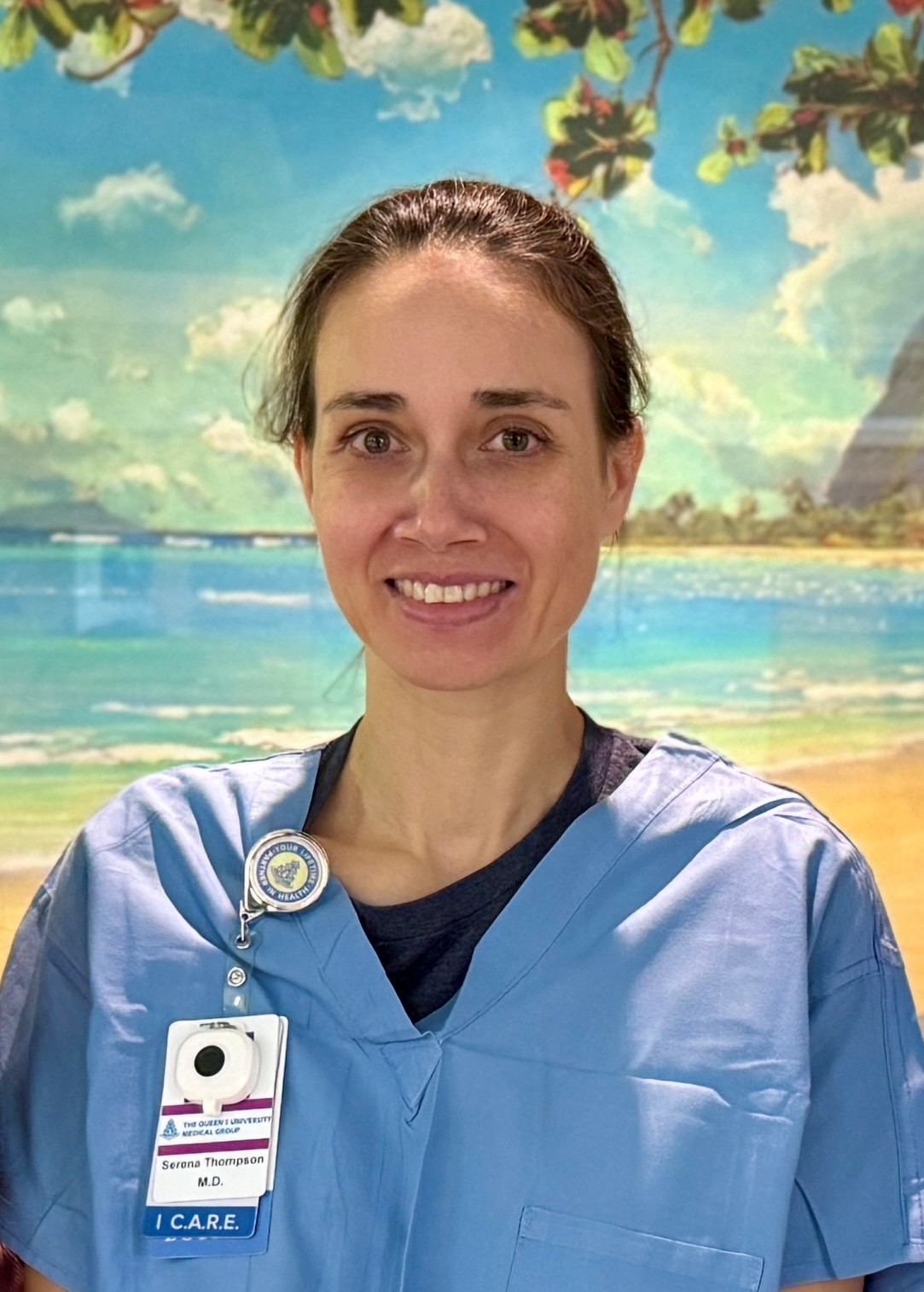
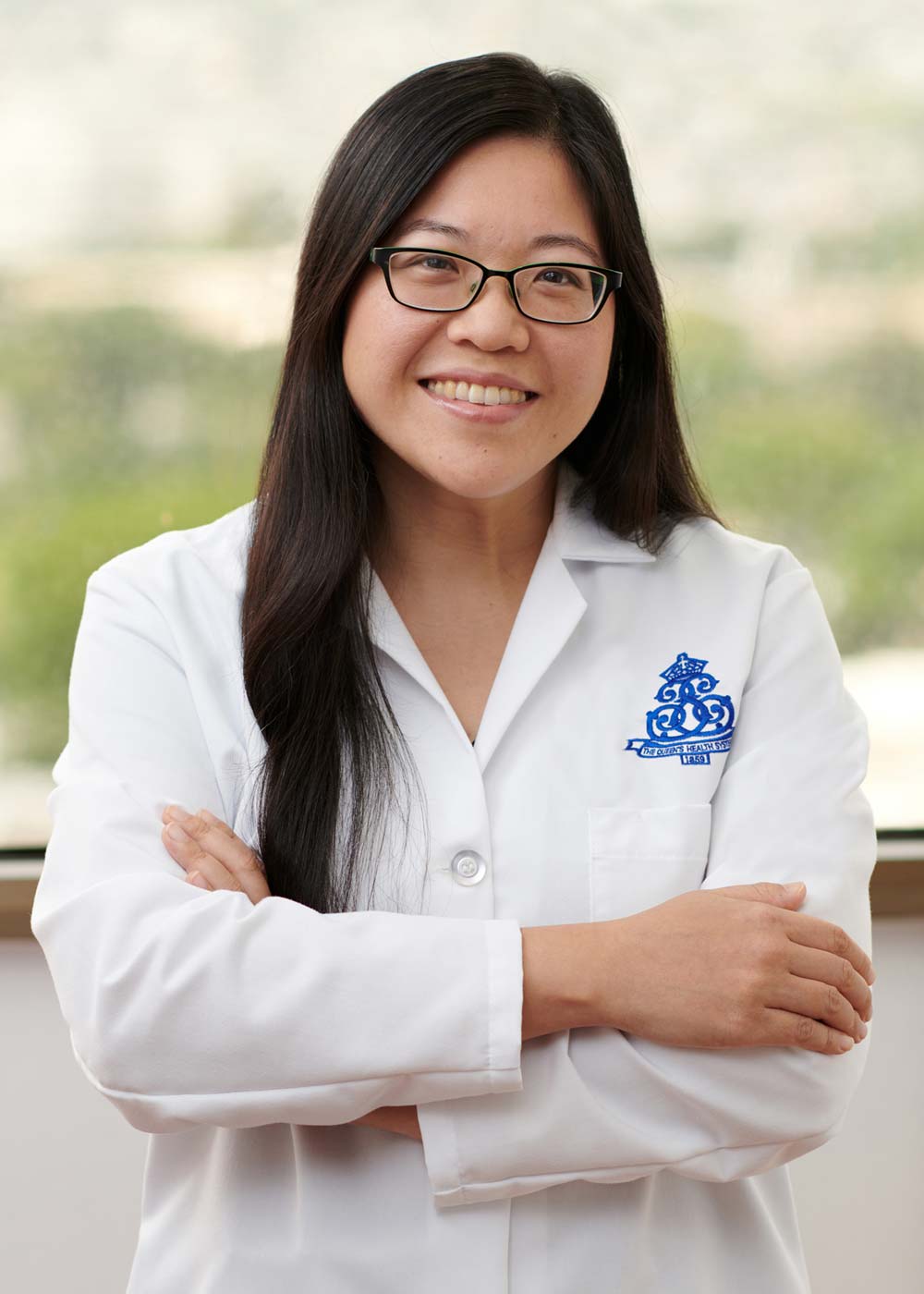
Victoria Wong, MD
Specialty: Epilepsy
University of Hawaii: Clinical Associate Professor of Medicine
The Queen’s Medical Center
Program Details
Curriculum
PGY-1:
Residents in the PGY-1 year will join the PGY-1 class of the UH Internal Medicine Program (UHIMP) to get a solid knowledge base of internal medicine. During the noon hour one day per week, Neurology PGY-1s will have an educational session with the Neurology team.
PGY-2:
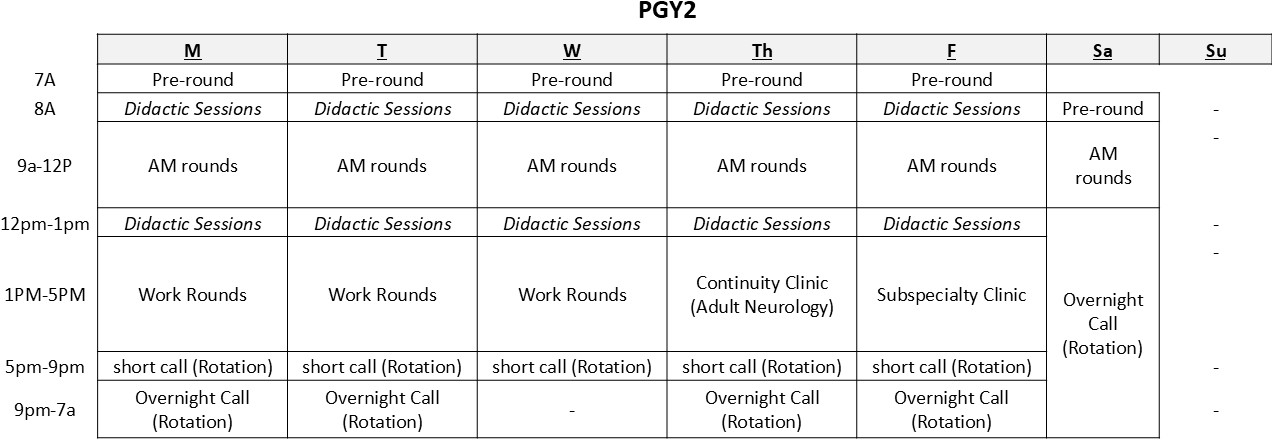
The PGY-2 year is the first year that the residents will be fully immersed in the care of patients on the neurology services. Most of this year will be spent on the wards of The Queen’s Medical Center – Manamana campus. Residents will also begin to see outpatients in their weekly continuity clinic.
An example of what a PGY-2 work week can look like is shown below:
PGY-3:
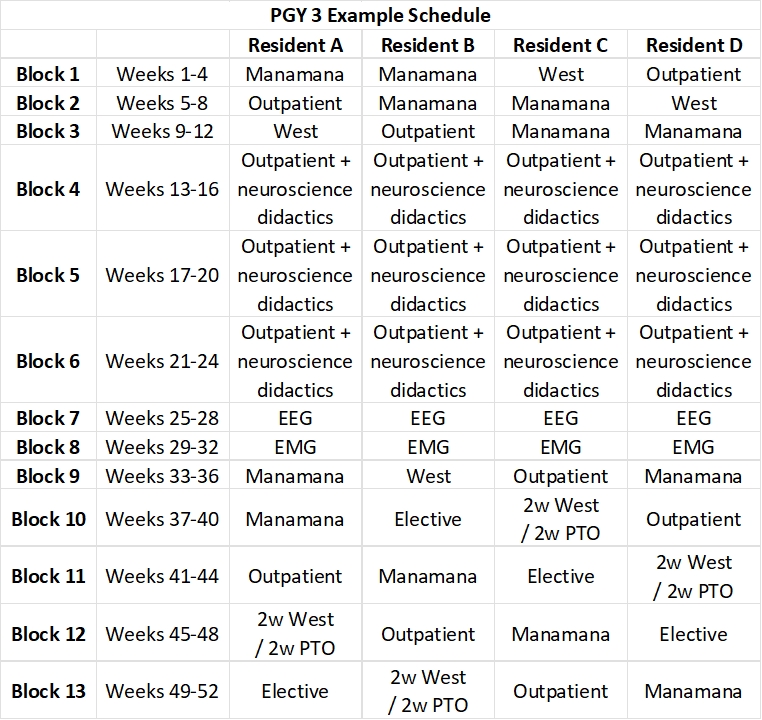
PGY-3 Neurology residents will take turns supervising the PGY-2s on the inpatient wards at The Queen’s Medical Center – Manamana, and will have additional time at The Queen’s Medical Center – West Oahu. They will also spend a block fortifying their knowledge base of the basic sciences as they pertain to neurology. This will include working with the neuropathology service, participating in the medical school’s neuroanatomy course, and other didactics.
PGY-3s will also have dedicated blocks to learn the basics of EEG and EMGs, outpatient rotations, and elective time. They will be exposed to different subspecialties during their weekly subspecialty clinics.
PGY-4:
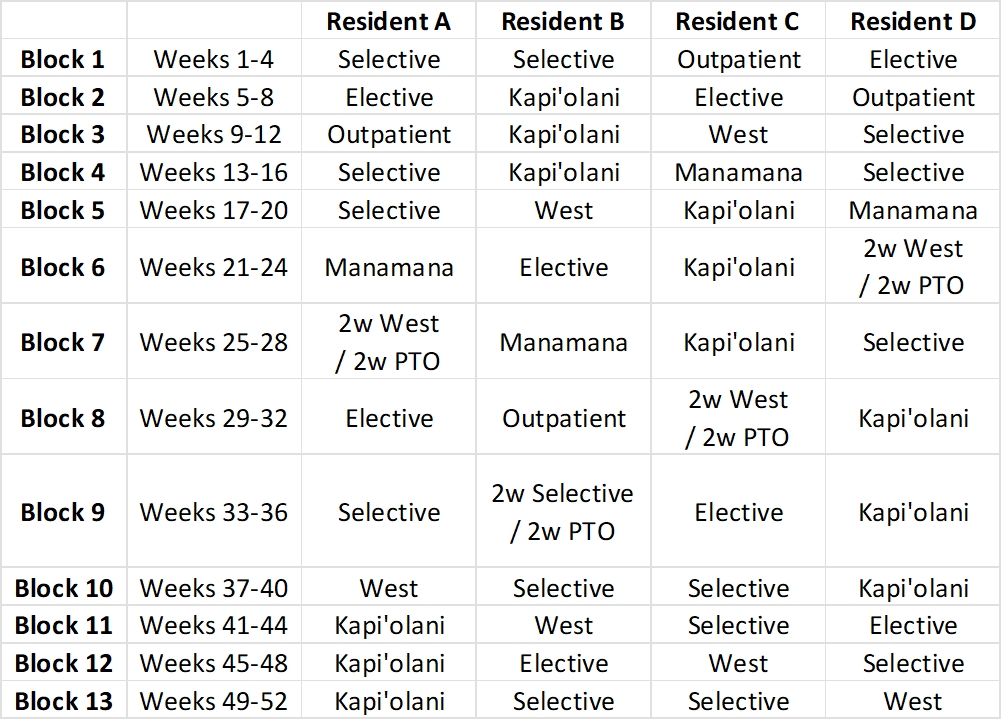
PGY-4 Neurology residents are expected to be getting ready for fellowship or independent practice. They will have more independence and greater responsibility supervising the junior residents. They have more time for electives and selectives, such as opportunities to work at rural locations on the neighbor islands.
Research
- Faculty are engaged in nationally and locally sponsored research in the basic sciences, clinical trials, health care delivery and medical education
- Residents are required to complete at least a scholarly project in their area of interest over three years.
- Residents may do a research elective to complete the majority of the project during that time.
- Funds are available for residents’ research efforts
Conferences
Residents will have a variety of recurring educational sessions throughout each work week.
Application
Intern Application Requirements
Our program participates in the Electronic Residency Application Service (ERAS).
- In accordance with the NRMP “All-In-Policy,” the Hawaii Neurology Residency Program will participate “All-In.” We do not offer Pre-Match positions.
- Due to a high volume of applications we preferentially review applications from those who signal our program, but we also consider applicants who do not signal us.
The University of Residency applicants must be either a graduate of a medical school in the United States or Canada accredited by the Liaison Committee on Medical Education (LCME) or a graduate of a college of osteopathic medicine in the United States accredited by the American Osteopathic Association (AOA).
We encourage you to submit your application via ERAS. Application documents sent through direct mail, email and/or fax will not be accepted. The following documents will be reviewed:
- ERAS Application
- Medical School Performance Evaluation (MSPE)
- Personal Statement
- A minimum of two (2) Letters of Recommendation from neurology rotations
- Official Medical School Transcripts
- USMLE or COMLEX Transcripts
International Medical Graduates (IMG) additional requirements:
- Valid certificate from the Educational Commission for Foreign Medical Graduate (ECFMG) or ECFMG Status Report at the time of application. Before the final match you must have attained certificate.
- Must be eligible for a J-1 visa
- For non-social security card holders, must report to Honolulu on June 1st.
- Fluent in spoken and written English
Hawaii Residency Programs, Inc. provides equal employment opportunities to all employees and applicants for employment. We do not discriminate on the basis of age, race, color, religion, gender/sex, national origin, ancestry, citizenship, disability, marital status, domestic or sexual violence victim status, arrest and court record, credit history and credit report, sexual orientation, military and veteran status, or other protects categories in accordance with state and federal laws. If you need accommodations at any time, please contact HRP Human Resources at 808-586-2891.
Selection & Interview Process
- Applicants will only be considered if all required documents are received. Deadline for submission is December 1st. It is the applicant’s responsibility to ensure that all documents are submitted.
- Members of the Selection Committee review applications as often as necessary until December 1st. Applicants are selected on the basis of academic qualifications, previous performance, letters of recommendation, communication skills, and personal qualities.
- Invitations to interview are sent through Thalamus to the applicants’ email address as indicated on the ERAS application.
- Applicants who will not be offered an interview will be notified by email.
- The Program holds interviews from October through December on Fridays only.
- All interviews are held virtually.
Interview Day Details
The interview day happens virtually. A few days before the interview day, the recruitment coordinator will send an email with details and orientations.
Each applicant will have an individual and personalized schedule structured as follows:
– Orientation Session with the Program Director
– Three Interviews with Core Faculty
To accommodate all applicants, the program kindly requests that they set aside the time frame of 6 am – 2 pm HST. The program’s team will be responsible for scheduling the interviews and connecting applicants to the interviewers.
The program also offers additional materials for pre-interview education and provides a video tour of its facilities.
Frequently Asked Questions
How many PGY-1 positions do you offer?
The Hawaii Neurology Residency Program offers 4 positions for each cohort. The curriculum is a 4-year program, meaning residents start in our program in PGY-1 and continue through PGY-4.
What is your minimum score requirement for USMLE Step 1, Step 2CK and Step 2CS? Should I take Step 3 as well?
Your application will be considered if you passed Step 1 & 2 and Step 2CS on your first attempt. A non-averaged score above 200 is required. Step 3 is not required to apply to program. However, we do not specifically exclude applicants based on the USMLE score as we carefully consider the entire application and encourage all interested students to submit application to our program.
Do you sponsor H-1 visas?
No. Only J-1 visas will be sponsored. There are no exceptions to this policy.
Do you have a Medical School graduation year cut off requirement?
No. However, your recent clinical training and employment experiences will be evaluated carefully.
Do you require clinical experience in the United States? If so, how recent should this be?
Clinical experience and training in a U.S. system are not required but can help our Selections Committee evaluate your application appropriately against known benchmarks.
Do you offer sub internships?
U.S. 4th Year Medical Students may apply for sub internships, please send inquiries to Doug Miles, Neurology.Residency@hawaii.edu.
Application Web Resources
Electronic Residency Application System (ERAS)
National Resident Matching Program (NRMP)
National Board of Medical Examiners (NBME)
Rotation Schedule
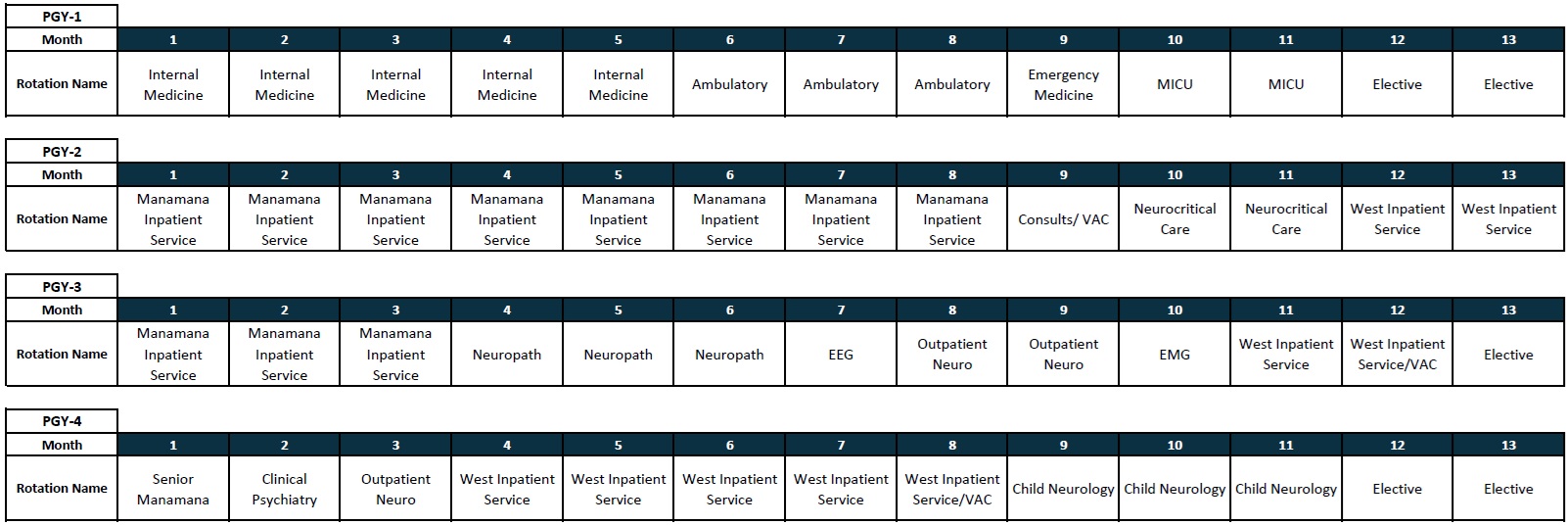
The academic calendar runs from July 1st to June 30th and consists of thirteen 28-day blocks; however, the first and last block may be longer or shorter than 28 days. Vacation weeks are scheduled consecutively.
Major Participating Sites
The Queens Medical Center
The Queen’s Medical Center (QMC) is a 500-bed tertiary care hospital and the State’s only Level 1 Trauma Center. It houses dedicated intensive care units for medical, neurology, surgical/trauma, and cardiovascular patients. QMC serves a diverse patient population, spanning all ages, ethnicities, cultural backgrounds, and a wide range of clinical conditions.
The Queen Emma Clinic (QEC), located on the ground level of QMC, is a major ambulatory teaching site. Our residents complete required rotations at QMC, including Inpatient Medicine, Cardiology Selective, Oncology Selective, and MICU. In addition, numerous subspecialty inpatient and outpatient electives are offered at QMC and across the three associated Queen’s Physicians Office Buildings (POB I, II, and III).
Kapiʻolani Medical Center for Women and Children
Kapiʻolani Medical Center for Women and Children (KMCWC) will be the clinical site for residents’ child neurology experiences. KMCWC is the only pediatric hospital in the state, and as such, places a special focus on the diagnosis and treatment of pediatric neurological conditions. The facilities include Wards, ED, NICU, PICU, 6 clinic rooms, through which residents will have access to pediatric neurology patients with neurologic conditions and illnesses. The hospital treats both common and rare neurological disorders and boasts state-of-the-art imaging services to provide patients with top-notch, personalized and integrated care. Additionally, this site provides various conference rooms in close proximity to the pediatric neurology services.
Salary & Benefits
Contact


University of Hawaii Neurology Residency Program
1356 Lusitana Street, 7th Floor
Honolulu, Hawaii 96813
EMAIL: Neurology.Residency@hawaii.edu
Follow us on Bluesky: @hawaiineuro
